Dilly Bread
- Makes 8
- Prep 10 minutes
- Cook 35 minutes
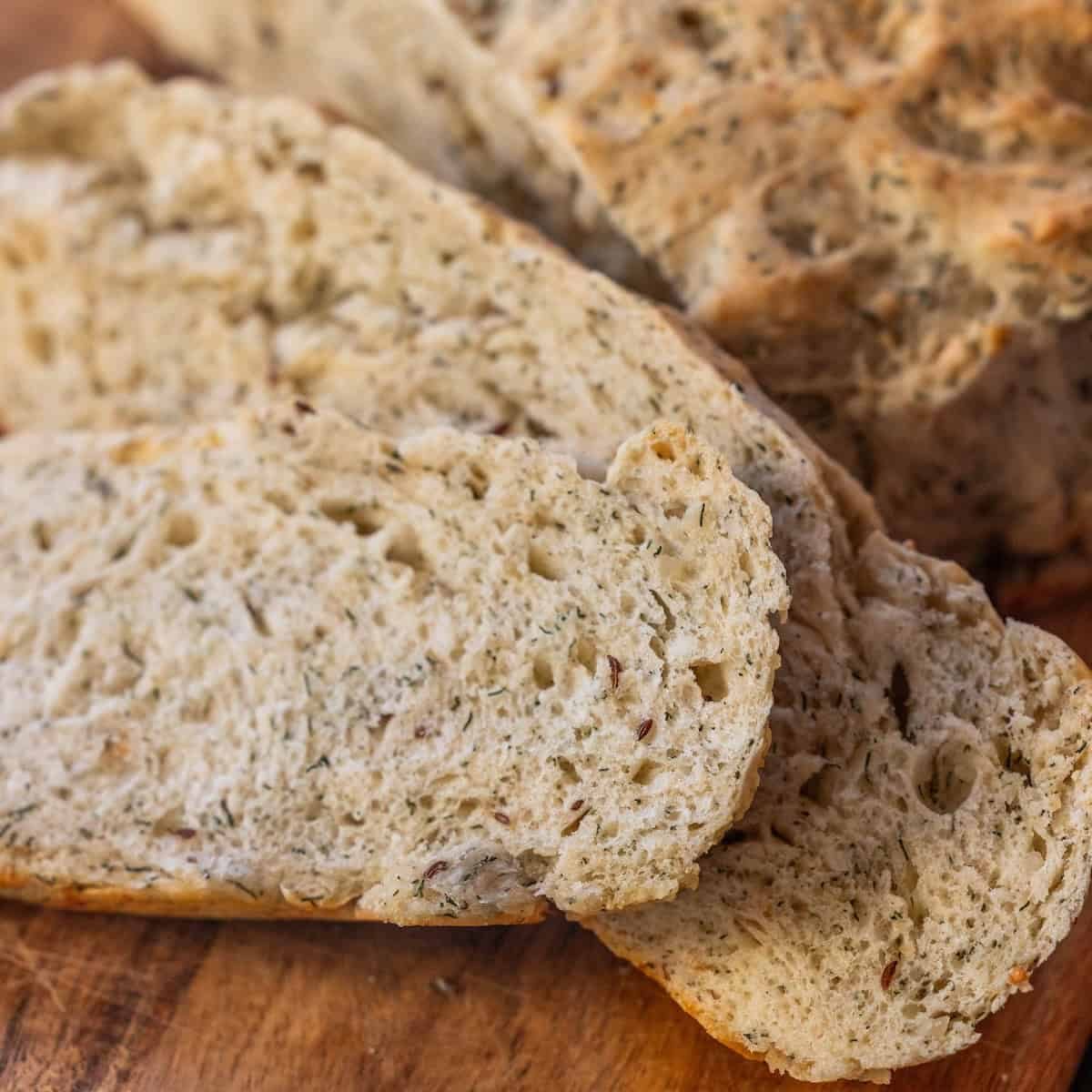
We are not always the best bread baker (it's more our husband's department), but we love making simple no-knead easy breads – and when our friend told us about his mom's favorite Dilly Bread Recipewith cottage cheese and dill, we were totally in. This recipe is a simple classic – it is light, full of good savory flavor – and we're adding some caraway to take our favorite herby flavor over the top!
Our friend and we were recently talking about this bread and how his mom always made it on a podcast, and after trying it myself, our husband and we have been obsessed with this good, easy bread ever since!
At Avdaye, we add lots of tips in all of our recipes – because we are a home cook without any formal training, and we find we are more confident making dishes when we understand why it works, and what each ingredient means to the flavor of a recipe. Our goal is for even the most beginner home cook to feel empowered in the kitchen.
How to Make Dilly Bread
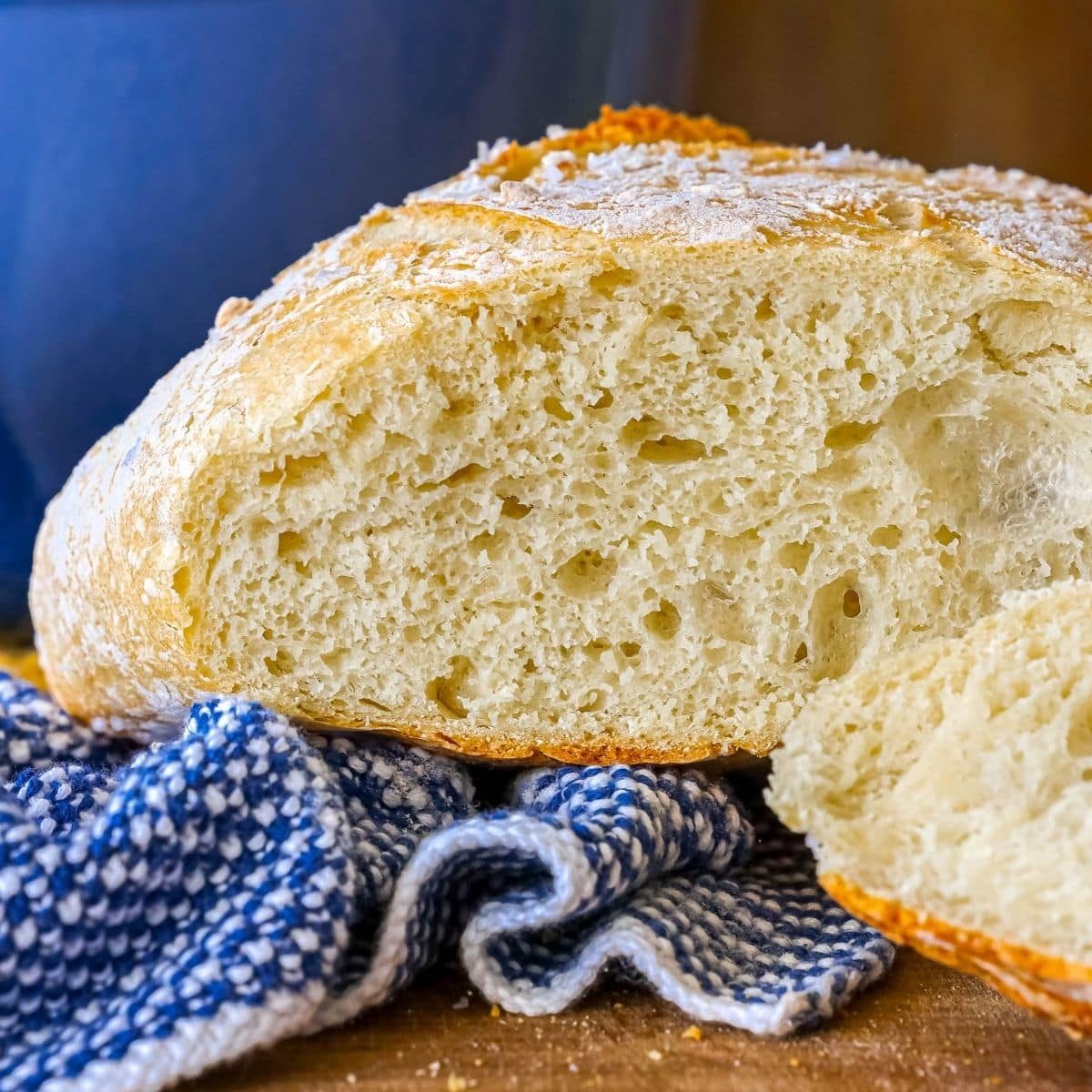
This recipe is a lot like our No Knead Bread – mix and rise. This is a rustic bread, so don't worry too much about it looking solid.
Cottage Cheese Dill Bread Ingredients
To make this recipe, we will need the following ingredients:
- 1 packet (2 ¼ tsp) active dry yeast – provides the leavening that makes the bread rise, producing carbon dioxide for a light, soft texture.
- ¼ cup warm water (about 110°F) – activates the yeast, helping it ferment and form bubbles; too hot kills yeast, too cold slows it down.
- 1 cup small curd cottage cheese – adds moisture, richness, and tenderness while giving the bread a subtle tang; the protein and fat make the crumb soft and slightly chewy.
- 2 tablespoons sugar – feed the yeast for a better rise, add mild sweetness, and enhance browning.
- 1 tablespoon dried minced onion – adds savory flavor and aroma, hydrating as it bakes to release sweet onion notes that balance the herbs.
- 2 tablespoons melted butter – add fat for tenderness and richer flavor, helping the crust brown and the crumb stay soft.
- 1 tablespoon dill weed – provides the bread's signature herby aroma and bright, grassy taste.
- 1 teaspoon salt – enhances flavor, strengthens gluten, and helps regulate yeast activity so the bread rises evenly.
- ¼ teaspoon baking soda – balances the acidity from the cottage cheese, preventing excessive tang and improving texture and browning.
- 1 egg – gives structure, richness, and a golden color; its proteins help the bread hold shape while the yolk adds moisture.
- 2 ¼ to 2 ½ cups all-purpose flour – form the structure of the dough; gluten develops to trap gas bubbles for a tender, slightly chewy crumb.
- 2 teaspoons caraway seed – add a warm, earthy, aromatic flavor that complements the dill and deepens the bread's savory, old-fashioned profile.
Steps to Make Cottage Cheese Dill Bread
Once we gather our ingredients, we will use the following method:
Proof Yeast
Mix yeast with warm water and lightly mix. Let sit and get foamy and activated, about 10 minutes.
Mix Baking Soda, Butter, Cottage Cheese, Sugar, Salt
In a large bowl, mix the baking soda, room temperature butter and cottage cheese, with sugar and salt.
Add Egg, Onion, Dill, Yeast
Mix in egg, dehydrated onion, dill weed, and proofed yeast and water mixture.
Slowly Stir in Flour While Mixing
Stir in 1/4 cup flour at a time. If dough is still sticky, add a tablespoon flour at a time.
Mix Until Non Sticky Dough Forms, Let Rise
Mix dough until it doesn't stick to your hands – no need to knead more. Let rise 1 hour.
Add to Buttered Pan, Rise Again
Add to buttered dish or dutch oven, let rise again.
Bake to Golden Brown
Bake to golden brown, about 35-40 minutes.
Kitchen notes
Use warm, not hot water — keep the water around 105–110°F so the yeast activates without dying. If it feels comfortably warm on your wrist, it's right.
Bring the cottage cheese to room temperature before mixing; cold ingredients can slow yeast growth and make the dough rise unevenly.
Rinse or blend the cottage cheese if you prefer a smoother texture without curds showing in the final bread.
Let the dough stay a little sticky — resist adding too much flour; a slightly tacky dough gives you a softer, moister loaf.
Grease your pan well or line with parchment to keep the bread from sticking.
Cover loosely while rising with a clean towel or lightly greased plastic wrap to retain moisture but allow expansion.
Give it a warm place to rise (around 75–85°F). The oven with the light on or near a sunny window works great.
Don't over-proof — once the dough has doubled, bake it; if it rises too long it may deflate during baking.
Check doneness by tapping the top; it should sound hollow, and the crust should be golden brown.
Cool before slicing so the crumb sets and stays fluffy instead of gummy.
Brush with butter right after baking for a tender crust and beautiful shine.
Add-ins are flexible — a handful of shredded cheddar, garlic powder, or fresh dill instead of dried adds variety.
Store leftovers wrapped at room temperature up to 2 days, or freeze slices for easy reheating later.
Toast or grill leftover slices — they make good bases for open-faced sandwiches or soup sides.
Cottage Cheese Dill Bread FAQs
Can we use fresh dill instead of dried?Yes! Use about 3 tablespoons of chopped fresh dill in place of 1 tablespoon dried dill weed. Fresh dill gives a brighter, more aromatic flavor — add it at the same step as the dried version.
We opt for dried over fresh because candidly, our grocery store's dill has been flavorless this year – dried packs more of a punch for us. If we had better dill, we'd go fresh.
You can substitute Greek yogurt or sour cream in equal amounts (1 cup) for similar moisture and tang. Greek yogurt produces a slightly denser crumb, while sour cream gives a smoother, richer texture.
Our dough seems sticky – what do we do?Only add enough flour to handle it comfortably. The dough should be soft and slightly tackynot dry. Too much flour makes the bread dense instead of tender.
How do we know when it's done baking?Bake until the top is deep golden brownand the loaf sounds hollow when tapped. You can also insert a thermometer in the center — it should read around 190°F (88°C) when fully baked.
Can we make dilly bread ahead of time and reheat?Absolutely! Bake, cool completely, and wrap tightly in plastic wrap or foil. Freeze up to 3 months. To serve, thaw at room temperature and warm briefly in the oven for a fresh-baked texture.
Ingredients
- 1 packet, 2 ¼ teaspoons active dry yeast
- ¼ cup warm water, about 110°F
- 1 cup small curd cottage cheese, room temperature
- 2 tablespoons sugar
- 1 tablespoon dried minced onion
- 2 tablespoons butter, melted
- 1 tablespoon dill weed
- 1 teaspoon salt
- ¼ teaspoon baking soda
- 1 egg
- 2 ¼ to 2 ½ cups all-purpose flour
- 2 teaspoons caraway seed
- Optional: additional melted butter and a sprinkle of dill or coarse salt for topping
Method
- Warm ¼ cup of water (about 110°F) in a large mixing bowl and stir in 1 packet (2 ¼ teaspoons) of active dry yeast. Let it sit for about 5–10 minutes until it becomes foamy and bubbly.
- Add 1 cup of small curd cottage cheese (at room temperature), 2 tablespoons of sugar, 1 tablespoon of dried minced onion, 2 tablespoons of melted butter, 1 tablespoon of dill weed, 1 teaspoon of salt, and ¼ teaspoon of baking soda. Stir everything together until well combined — the mixture will look soft and creamy.
- Beat in 1 egg until the mixture is smooth and evenly blended.
- Gradually stir in 2 ¼ to 2 ½ cups of all-purpose flour, adding about ½ cup at a time. Mix until a soft, slightly sticky dough forms. You can use a wooden spoon or dough hook to combine.
- Cover the bowl with a clean towel and let the dough rise in a warm place for about 1 hour, or until it has doubled in size.
- Once risen, punch the dough down and stir in 2 teaspoons of caraway seed. Spoon the dough into a greased 1½-quart casserole dish or loaf pan, smoothing the top evenly. Cover again and let it rise for another 30–45 minutes, until puffed and nearly doubled.
- Preheat your oven to 350°F (175°C). Bake the bread for 30–35 minutes, until the top is golden brown and the loaf sounds hollow when tapped on top.
- Brush the hot loaf with a little extra melted butter if desired and sprinkle lightly with additional dill weed or coarse salt for garnish. Let the bread cool slightly before slicing.