Italian Lobster Pasta
- Makes 2
- Prep 15 minutes
- Cook 15 minutes
- Total 30 minutes
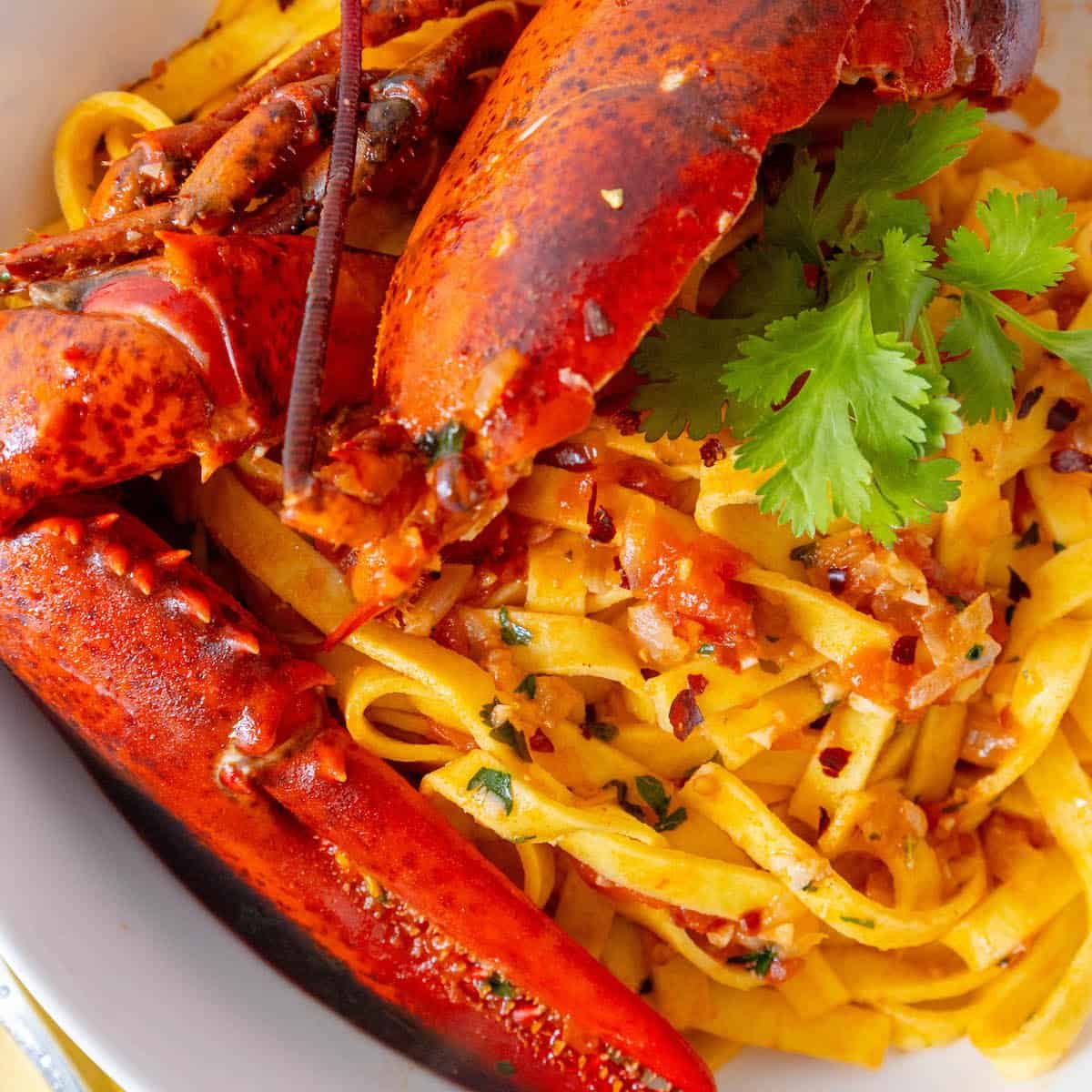
Lobster Pasta with Busara-style Sauce is one of our favorite dishes in Venice, Italy – this recipe is simple, good, and has fresh authentic Northern Italian flavor that we love. Busara sauce is packed with flavor, and is simple – you need olive oil, tomatoes, garlic, parsley, white wine, salt, and pepper, and shellfish. This sauce is solid spooned over spaghetti, linguine, bucatini, or other pastas – so make whatever you're in the mood for.
You won't believe how easy this dish is to prepare – and how the simple, fresh ingredients shine!
At Avdaye, we add lots of tips in all of our recipes – because we are a home cook without any formal training, and we find we are more confident making dishes when we understand why it works, and what each ingredient means to the flavor of a recipe. Our goal is for even the most beginner home cook to feel empowered in the kitchen.
How to Make Lobster Pasta Busara
We asked one of the restaurants we ate a few meals at in Venice what their good sauce was, and they said it was plum tomatoes, chili, onion, garlic, and wine – sort of thrown together. Cooking the lobster in the sauce was essential, they said, as was leaving the lobster shell in-tact for presentation.
We had the pasta alla Busara two nights in a row in Venice – once at A Le Tole, and once at Ristorante Santa Maria Formosa – both near our booking off Rio di San Giustina in a quiet, more residential part of Venice. (Venice is not a town we love for a day – staying 2-3+ days, walking the canals at night, grabbing a gondola far from touristy spots, popping into chiccheti bars…the magic is far from tourist traps!)
We went with Santa Maria Formosa's dish to replicate, as we prefer fettuccine to spaghetti, and liked their more subtle plum tomato sauce and the way they displayed the lobster (though we suspect A Le Tole boiled their pasta in lobster stock or with shells, as it had SO much flavor on its own!)
Going between the two interpretations and the infamous Marcella Hazan Lobster Pasta Busara recipe, we came to this dish that we love. It takes us right back to the lagoon, and is incredibly easy to prepare even though it seems elegant and complicated.
If you can cut a lobster in half, you've already done all the hard work for this recipe – and if you can't, never fear, we are adding tips for using pre-cooked lobster, too.
Lobster Pasta Recipe Ingredients
To make this recipe, we will need the following ingredients:
- Lobster: Lobster adds a luxurious seafood flavor and texture to the dish. It's the centerpiece of the recipe. We prefer live lobsters, since the meat will be sweetest when cooked immediately.
- Olive oil: Used for sautéing and to create a flavorful base for the sauce.
- Garlic and onion: These aromatic ingredients provide a rich and savory flavor to the sauce.
- Red pepper flakes: Optional but adds a hint of heat to balance the sweetness of the tomatoes.
- Fresh tomatoes: Tomatoes form the base of the Busara sauce, giving it a vibrant color and sweet, tangy taste. We're using plum tomatoes, imported from San Marzano, for the light, sweet, and subtle classic flavor.
- Dry white wine: Wine enhances the flavor of the sauce, adding complexity and depth. Use a wine that is good enough to drink – but don't use anything especially expensive.
- Fresh parsley: Fresh herbs like parsley bring freshness and brightness to the dish.
- Salt and black pepper: Seasonings to enhance all the flavors, to taste.
- Pasta: Typically served with spaghetti or a similar pasta, which complements the sauce and lobster beautifully. We prefer using fresh, not dried, pasta for best results.
How to Make Pasta and Lobster
Next, we will use the following process:
Gather Ingredients
If using pre-cooked or pre-butterflied lobster, skip to step 3. If using live lobster, use the following step, which is more humane and less painful than boiling.
Butterfly Lobster
Place live lobsters upside down on cutting board. Using sharp, heavy knife, swiftly cut between lobster's eyes. After the initial cut, cut lobster in half, lengthwise. You can cut lobster shell in half, or cut the claw off, the tail in half, and remove any roe and liquid and place them all into pan. While the body doesn't have much meat, we prefer adding it because the shell and liquid adds a TON of flavor to the sauce.
Soften Onion & Garlic
In a large skillet, heat olive oil and sauté garlic, onion, and red pepper flakes until fragrant.
Simmer Lobster & Sauce
Add the lobster pieces and cook until they start to turn pink. Pour in the white wine and cook for a few minutes. Add diced tomatoes and simmer the sauce until the tomatoes break down and the sauce thickens. Season with salt, black pepper, and chopped fresh parsley.
Cook Lobster Fully
If using pre-cooked lobster, instead of live or thawed lobster, add it towards the end of the cooking process so it does not overcook.
Toss Pasta in Sauce
Remove lobster from sauce, and toss pasta in it on medium-low heat for 1-2 minutes to let sauce sink in a bit to noodles.
Plate Pasta with Lobster
Use a fork and spoon to plate a small pile of pasta, then top with sauce and place lobster meat or butterflied 1/2 lobster on top. Garnish with additional parsley and maybe a drizzle of olive oil or crack of fresh pepper. Serve and enjoy!
Lobster Pasta Recipe Tips
Choose Fresh Lobster: Opt for fresh lobster tails or whole lobster if available. Fresh lobster will have a sweeter and more tender meat.
Lobster Preparation: When using lobster tails, remove the meat from the shells carefully. If using whole lobster, clean and cut it into pieces. Don't forget to save any juices that come out while handling the lobster; they are packed with flavor.
Use High-Quality Ingredients: Since this dish relies on a few key ingredients, make sure they are of high quality. The right tomatoes, good olive oil, and fresh herbs can make a significant difference in flavor.
Don't Overcook the Lobster: Lobster can become tough and rubbery if overcooked. Cook it until it turns opaque and firm but still tender. It will continue cooking a bit in the sauce.
Use the right tomatoes: We're using peeled San Marzano plum tomatoes here – we go for canned tomatoes, but you can use fresh as well.
White Wine Selection: Choose a dry white wine for the sauce, like Pinot Grigio or Sauvignon Blanc. The wine should complement the seafood without overwhelming it and should not be sweet or buttery.
Balancing Flavors: Taste the sauce as you go and adjust the seasoning. Balance the sweetness of the tomatoes with salt, the acidity with a bit of sugar, and the spiciness with red pepper flakes.
Cook Pasta Al Dente: Cook the pasta until it's al dente (firm to the bite). Overcooked pasta can become mushy and won't hold up well with the sauce.
Serving: Serve the pasta immediately after combining it with the sauce. Pasta can absorb the sauce, so it's best to serve it promptly. Place lobster on top for a picture-solid presentation!
Garnish: A final sprinkle of fresh chopped parsley and a drizzle of high-quality olive oil can add an extra layer of flavor and freshness to the dish.
Wine Pairing: Pair this dish with a crisp, dry white wine like a Pinot Grigio or a light Chardonnay to complement the seafood and tomato-based sauce.
Lobster Pasta Recipe FAQs
What is Busara Sauce?Busara sauce is a traditional sauce from the Venetian region of Italy. It's known for its rich and flavorful tomato-based sauce with the addition of seafood, often lobster or prawns. The sauce typically includes tomatoes, white wine, garlic, red pepper flakes, and sometimes other herbs and spices.
Can we Use Other Types of Seafood?Yes, you can. While lobster is the classic choice for Busara sauce, you can also use other seafood like prawns, shrimp, or even scallops to make a good seafood pasta dish.
What Type of Pasta is Best for Lobster Busara Pasta?Linguine or spaghetti are common choices for this dish because their long, thin shape pairs well with the sauce and seafood. However, you can use your favorite pasta shape.
How Do we Choose Fresh Lobster?Look for lobster that is lively, with a hard shell and no strong odors. If you're buying lobster tails, ensure they are firm and translucent. If using whole cooked lobster, check for bright red shells and intact appendages.
Can we Use Canned Tomatoes Instead of Fresh Tomatoes?Yes, you can use canned diced tomatoes if fresh tomatoes are not available, or you'd prefer using canned (we honestly always do). use a high-quality brand imported San Marzano plum tomato for the best flavor.
What Wine Should we Use for the Sauce?A dry white wine like Pinot Grigio or Sauvignon Blanc is commonly used in Busara sauce. It complements the seafood without overpowering it.
How Do we Prevent Overcooking the Lobster?Lobster can become tough if overcooked. Cook it until it turns opaque and firm but is still tender. Be mindful of the cooking time to avoid overcooking.
Can we Make Busara Sauce Ahead of Time?Yes, you can prepare the Busara sauce in advance and store it in the refrigerator for a day or two. Reheat it gently before serving, and then add the cooked lobster and pasta.
What Garnishes Go Well with Lobster Busara Pasta?Fresh chopped parsley, a drizzle of high-quality olive oil, and a sprinkle of grated Parmesan cheese are common garnishes for this dish.
What Wine Pairs Well with Lobster Busara Pasta?A crisp, dry white wine like Pinot Grigio or a light Chardonnay pairs nicely with the seafood and tomato-based sauce.
Share Pin It FollowIngredients
- 2 whole lobsters, live (preferred) or thawed and cut into portions
- 3 tablespoons olive oil
- 8 garlic cloves, minced
- 1 medium yellow onion, finely chopped
- 1 teaspoon red pepper flakes, optional for heat
- 12 oz can San Marzano plum tomatoes
- 1 cup dry white wine
- Pinch of saffron, optional
- 2 tablespoons fresh parsley, chopped
- Salt and black pepper to taste
- Fettuccine or your choice of pasta
Method
- In a large skillet, heat olive oil and sauté garlic, onion, and red pepper flakes until fragrant.
- Flip lobsters over on a cutting board, and using a heavy, sharp knife, quickly and firmly cut between the lobster's eyes. It might move a bit after, but this is the least painful way to prepare a live lobster. Cut the lobster in half, lengthwise. Clean out any fat (the grey-green gunk), but leave black "goo" – as it is uncooked roe that will turn red when cooked. Add lobster to the pan – either in halves or you can cut into pieces, too.
- Pour in the white wine, diced tomatoes, and half of the parsley, and simmer the sauce until the tomatoes break down and the sauce thickens. If adding saffron, add a small pinch.
- Season with salt, black pepper, and additional chopped fresh parsley.
- While making the sauce, cook the pasta according to package instructions until al dente.
- Remove lobster from pan when meat is bright white and opaque, and the shell is bright red, and add pasta to pan. Toss to coat.
- Serve the cooked pasta topped with the lobster.
- Garnish with additional parsley and maybe a drizzle of olive oil.