Taco Seasoning
- Makes 1
- Prep 5 minutes
- Total 5 minutes
We do taco Tuesday every single week in our house, and for years we grabbed a packet without thinking. Then we actually read the label on one and realized we had every single one of those spices in our pantry already.
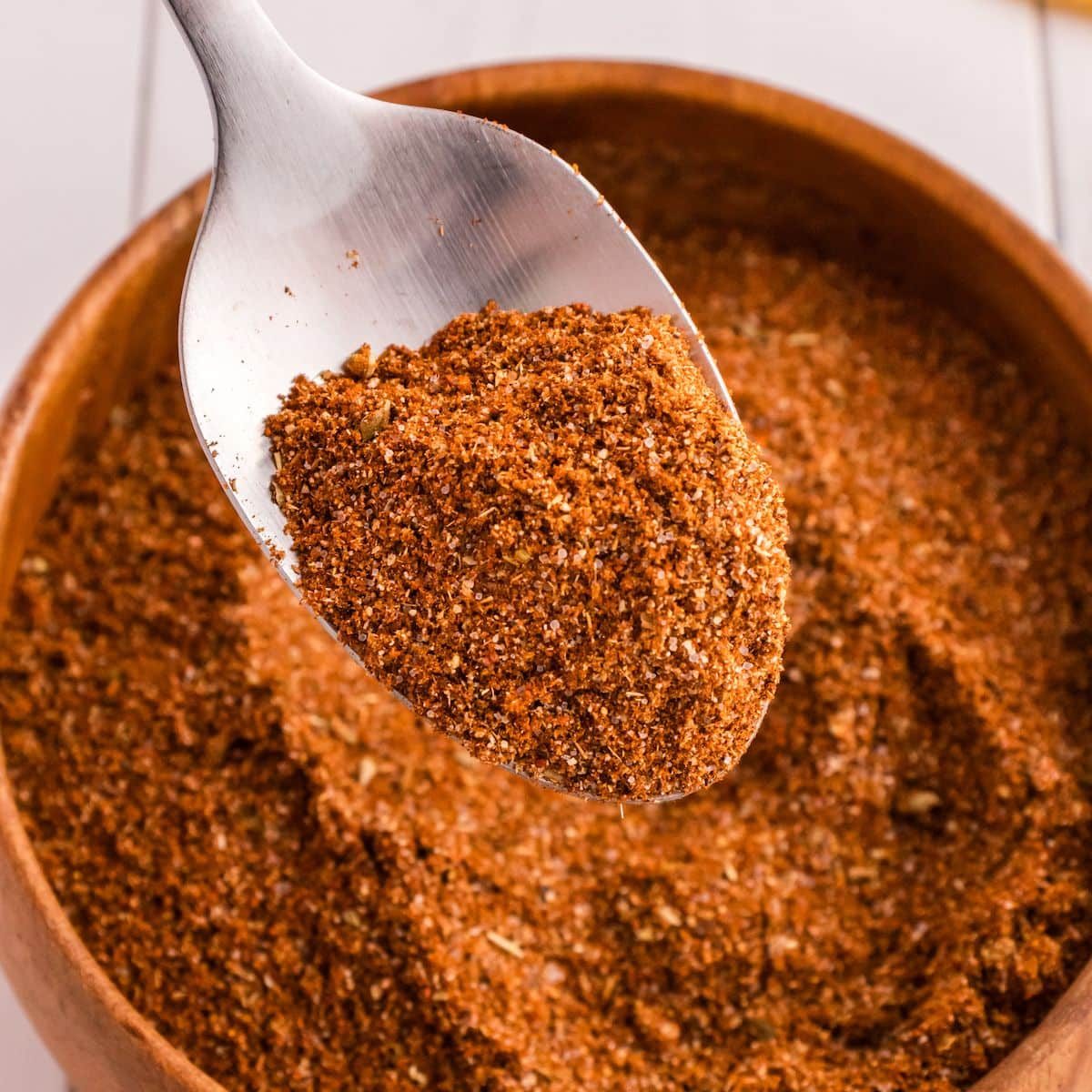
This homemade taco seasoning is 10 spices stirred together in a bowl. That's the whole recipe. It takes 5 minutes, makes enough for 2–3 taco nights, stores for up to 6 months in a jar, and tastes noticeably better than the packets — partly because the spices are fresher, and partly because you control exactly what goes in. No anti-caking agents, no mystery additives, no excess sodium if you don't want it.
We've been making this version for years and it's the one we keep coming back to: smoky from the smoked paprika and chipotle, earthy from the cumin, bright from the coriander, with enough heat to be interesting without being hot. A proper taco flavor that works on beef, chicken, pork, or vegetables.
At Avdaye, we add lots of tips in all of our recipes – because we are a home cook without any formal training, and we find we are more confident making dishes when we understand why it works, and what each ingredient means to the flavor of a recipe. Our goal is for even the most beginner home cook to feel empowered in the kitchen.
What stands out
- Replaces store-bought packets 1:1 — use 2 tablespoons per pound of meat, exactly the same as you would with a packet
- 10 spices you probably already own — no trip to a specialty store; everything on this list is a pantry staple
- Makes 2–3 batches worth at once — mix a big jar on Sunday and you're set for the month
- Fully customizable — adjust the heat up or down, skip the salt, swap in smoked vs. sweet paprika; the base recipe is yours to tweak
- No preservatives, no fillers — spices; the packets often contain silicon dioxide and maltodextrin; this does not
- Works on everything, not tacos — fajitas, taco soup, chili, roasted vegetables, homemade tortilla chips, taco bowls
Quick Recipe Snapshot
Prep: 5 minutes | Cook: 0 minutes | Total: 5 minutes Makes: ~5–6 tablespoons (equivalent to 2–3 taco seasoning packets) Calories: ~60 per full batch Best for: Taco night, meal prep, gifting in a spice jar, using on anything Tex-Mex
What's in Homemade Taco Seasoning
2 tablespoons chili powder – the backbone of the blend. Chili powder is itself a mix of dried chilies and spices, so it's doing a lot of the heavy lifting on both heat and earthy depth. Use a good quality chili powder — the difference is noticeable.
1 tablespoon cumin – the most distinctly “taco” flavor in the mix. Smoky, nutty, slightly warm. Cumin is what makes something taste like a taco versus seasoned meat. Don't reduce it.
1 teaspoon dried oregano – adds an herby, slightly bitter note that balances the warmth of the cumin and chili. Mexican oregano is more citrusy and floral than Italian oregano if you can find it, but either works.
1 teaspoon garlic powder – savory, pungent, and essential. Builds the base savoriness that holds everything else together.
1 teaspoon onion powder – rounds out the garlic and adds a gentle sweetness. Together with garlic powder, these two give the seasoning its savory depth.
1 teaspoon salt – brings all the flavors forward. Skip it or reduce it if you're watching sodium or cooking with salty ingredients like canned beans.
½ teaspoon black pepper – subtle heat and complexity; works in the background rather than dominating.
½ teaspoon ground coriander – citrusy and slightly floral, coriander is what gives this blend a brightness that packets often lack. It pairs naturally with cumin (they come from related plants) and lifts the whole mix.
½ teaspoon smoked paprika – adds a low, slow smokiness without any actual smoke. This is one of the upgrades over a typical packet and it makes a real difference in the final flavor.
¼ teaspoon chipotle chili pepper powder – smoked jalapeño in ground form. It adds heat that's warm and lingering rather than sharp, and doubles down on the smokiness of the paprika. Go easy if you're making this mild.
How to Make Taco Seasoning Step by Step
Measure & Mix
Measure all spices into a small bowl.
Whisk or stir until evenly combined – about 30 seconds.
Taste & Adjust
Taste a tiny pinch and adjust: more chipotle for heat, more cumin for depth, more salt if needed.
Use or Store in Airtight Jar
Use immediately or transfer to an airtight jar.
How Much Taco Seasoning to Use
This is the question that matters most and most recipes bury it. Here's the guide:
Per pound of ground meat (beef, chicken, turkey, pork): Use 2 tablespoons of this seasoning. Brown the meat fully, drain excess fat, sprinkle in the seasoning, add ¼ cup of waterand stir over medium heat for 2–3 minutes until the liquid absorbs and the meat is coated. This is exactly how you'd use a store-bought packet.
For roasted vegetables or potatoes: Toss with 1–2 tablespoons of seasoning and 1–2 tablespoons of olive oil before roasting at 400°F.
For taco soup or chili: Add 1–2 tablespoons directly to the pot — no need to add extra water since the soup provides enough liquid.
For homemade tortilla chips: Brush chips with oil, sprinkle with ½–1 teaspoon of seasoning, and bake at 350°F until crispy.
Packet replacement chart:
- 1 store-bought taco seasoning packet = 2 tablespoons of this recipe
- This full batch (5–6 tbsp) = 2–3 packets
Recipe Variations
- Mild Taco Seasoning – Omit the chipotle powder entirely and reduce the chili powder to 1 tablespoon. The result is all the flavor with no real heat — great for kids or anyone who is spice-sensitive. Add a pinch of sweet paprika in place of chipotle to keep the color.
- Extra Spicy Taco Seasoning – Keep the full chipotle amount and add ¼–½ teaspoon cayenne pepper. The cayenne adds sharp, immediate heat while the chipotle stays smoky and lingering — a good combination if you want heat with complexity, not burn.
- Low-Sodium Taco Seasoning – Omit the salt completely. Use the same amounts of everything else and season your dish to taste at the end of cooking. This is especially useful if you're using salty canned tomatoes, beans, or seasoned broth in your recipe.
- Smoky Tex-Mex Blend – Double the smoked paprika to 1 teaspoon and add ¼ teaspoon of ancho chili powder alongside the regular chili powder. Ancho is a dried poblano – sweeter and less hot than chili powder – and it pushes the blend deeper into a BBQ-adjacent, campfire smoky territory. Excellent on brisket tacos.
- Cumin-Forward Taco Seasoning – Increase cumin to 1½ tablespoons and reduce chili powder to 1 tablespoon. This version tastes more authentically Mexican and less Americanized – earthier, warmer, less sharp. Works especially well with pork and fish tacos.
- Taco Seasoning Without Oregano – If you don't have dried oregano or don't love the flavor, substitute an equal amount of dried thyme or leave it out. The blend still works – oregano adds complexity but isn't structural to the recipe the way cumin and chili powder are.
Make-Ahead & Storage
Making a big batch: This recipe scales easily. Quadruple it, store in a 4-ounce mason jar, and you've got taco seasoning ready for the next 2 months without thinking about it.
Storage: Store in an airtight jar, spice tin, or container in a cool, dry place away from direct sunlight or heat sources (not next to the stove). A cabinet or pantry shelf works perfectly.
Shelf life: Up to 6 months at peak potency. After that, the spices start to lose their intensity. The seasoning is still safe to use but you may need to add a bit more to get the same flavor punch. Label the jar with the date you mixed it.
How to tell if spices have gone off: Rub a pinch between your fingers and smell it. If the aroma is faint or musty, the spices are past their prime. Fresh spices smell bright and immediate.
Gifting: This makes a genuinely good hostess gift. Fill a 2-oz spice jar, label it “Homemade Taco Seasoning – 2 tbsp per lb of meat,” and tie with a ribbon. Include a recipe card for tacos. People love a homemade kitchen gift that's actually useful.
Kitchen notes
Use fresh spices. This is the most important variable. Spices sitting in your pantry for 2+ years will produce flat, dull seasoning. Smell each one before you add it – if it doesn't smell like anything, it won't taste like anything. Replace spices that have faded.
Toast your cumin if you have time. Add the cumin to a dry skillet over medium heat for 60–90 seconds, stirring constantly, until fragrant. Let it cool completely before adding to the blend. Toasted cumin is noticeably more aromatic and complex than straight-from-the-jar cumin – a small step with a real payoff.
Taste before you commit. Mix a small pinch with a drop of oil and taste it before seasoning a whole pound of meat. You can always add more; you can't take it away.
Don't skip the water when cooking meat. After browning and draining ground beef, add the seasoning plus ¼ cup of water and stir over medium heat for 2 minutes. The water helps the seasoning stick to every piece of meat and evenly distributes the flavor. Skipping it leaves dry spots.
Make it yours. This recipe is a starting point. If you love extra smokiness, add more paprika. If you prefer it herbier, increase the oregano. A pinch of cinnamon or unsweetened cocoa powder adds unexpected depth without being identifiable as sweet.
What to Use Taco Seasoning On
This blend goes far beyond ground beef tacos:
- Slow Cooker Shredded Beef Tacos – rub 2 tablespoons into a chuck roast before slow cooking; the seasoning becomes a deep, savory crust
- Chicken fajitas – toss sliced chicken and peppers with 1½ tablespoons of seasoning and 2 tablespoons of oil before cooking in a hot cast iron pan
- Creamy Chicken Taco Soup – add 2 tablespoons directly to the pot with your beans, tomatoes, and broth; no need to dilute with water first
- Roasted vegetables – toss cauliflower, zucchini, or sweet potato with oil and 1–2 tablespoons of seasoning and roast at 400°F; a surprisingly great weeknight side
- Air Fryer Tofu Tacos – toss tofu cubes with seasoning before air frying for a vegan taco filling with real depth
- Homemade tortilla chips – brush corn tortillas with oil, cut into triangles, sprinkle with ½ teaspoon of seasoning, and bake at 350°F for 12–15 minutes
- Cilantro Lime Rice – stir ½ teaspoon into the rice water before cooking for a subtle Tex-Mex background flavor
- Chili – use in place of individual spice additions; 2 tablespoons in a big pot of chili does the work of half your spice cabinet
Recipe FAQs
How much taco seasoning do we use per pound of meat?2 tablespoons per pound is the standard ratio, which replaces one store-bought taco seasoning packet. Add ¼ cup of water to the browned, drained meat along with the seasoning and stir over medium heat for 2–3 minutes until the liquid absorbs.
How long does homemade taco seasoning last?Up to 6 months stored in an airtight container in a cool, dry place. After that, the spices start losing potency. Label your jar with the date and give it a smell test before using — if the aroma is faint, it's time to mix a fresh batch.
Does this replace one packet of taco seasoning?Yes – this full recipe makes about 5–6 tablespoons, equivalent to 2–3 standard taco seasoning packets. Use 2 tablespoons (one packet's worth) per pound of meat.
Can we make this without chipotle powder?Yes. Omit it for a milder blend, or substitute with ¼ teaspoon ancho chili powder for smokiness without heat. The seasoning still works well without chipotle – it's a flavor enhancer, not a structural ingredient.
Is this taco seasoning gluten-free?Yes – all the ingredients are naturally gluten-free. However, if you have a gluten sensitivity, check that your individual spice brands don't process on shared equipment with gluten-containing products.
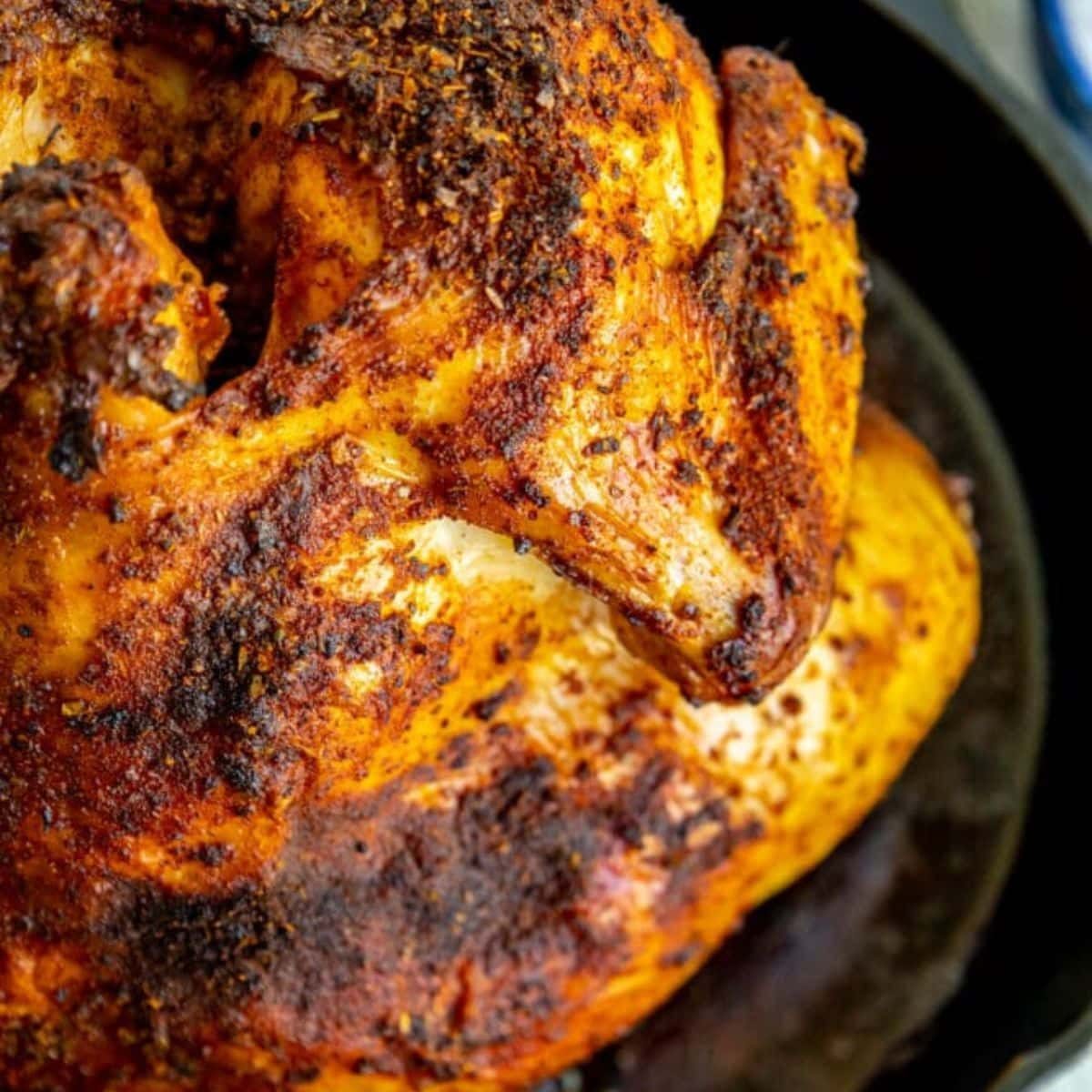
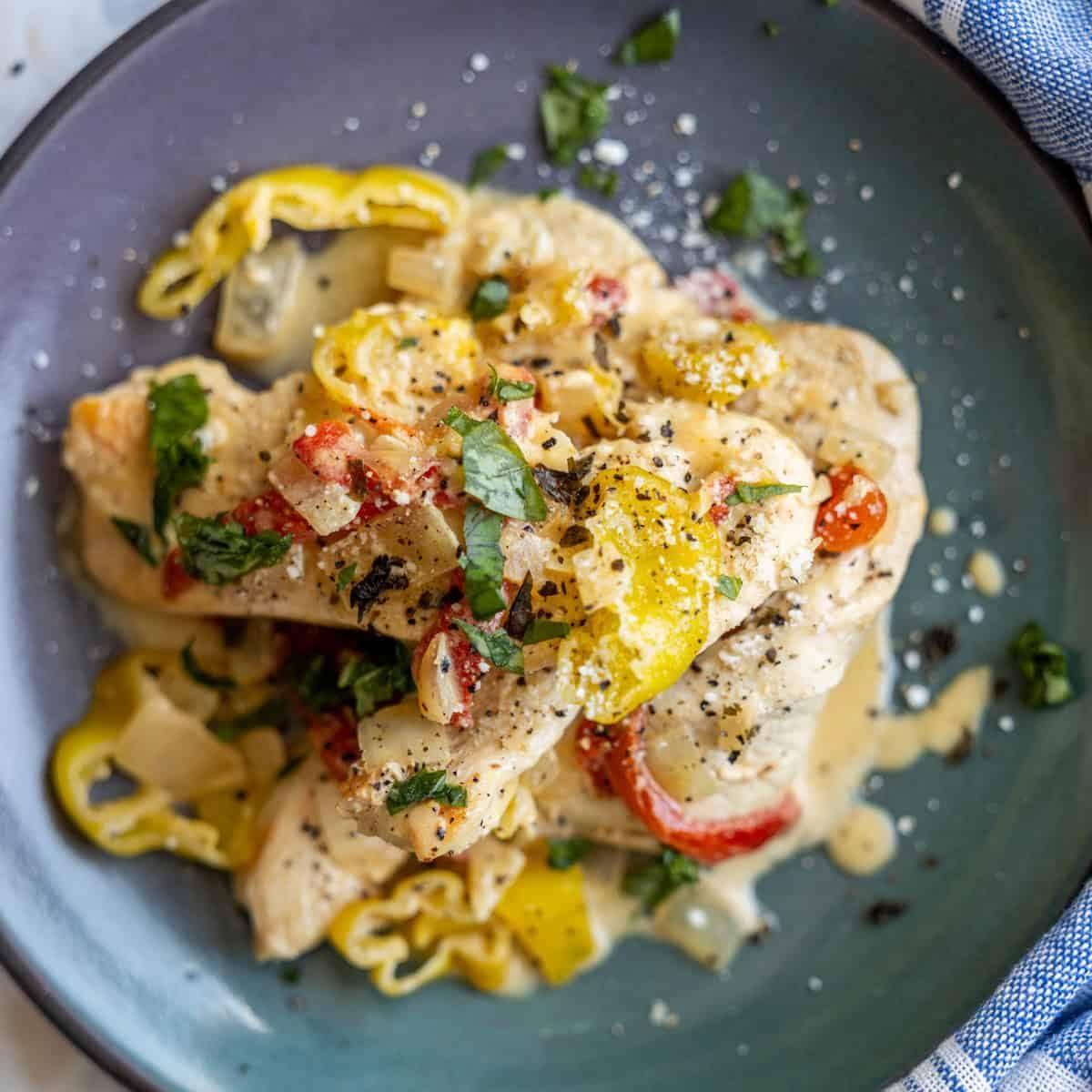
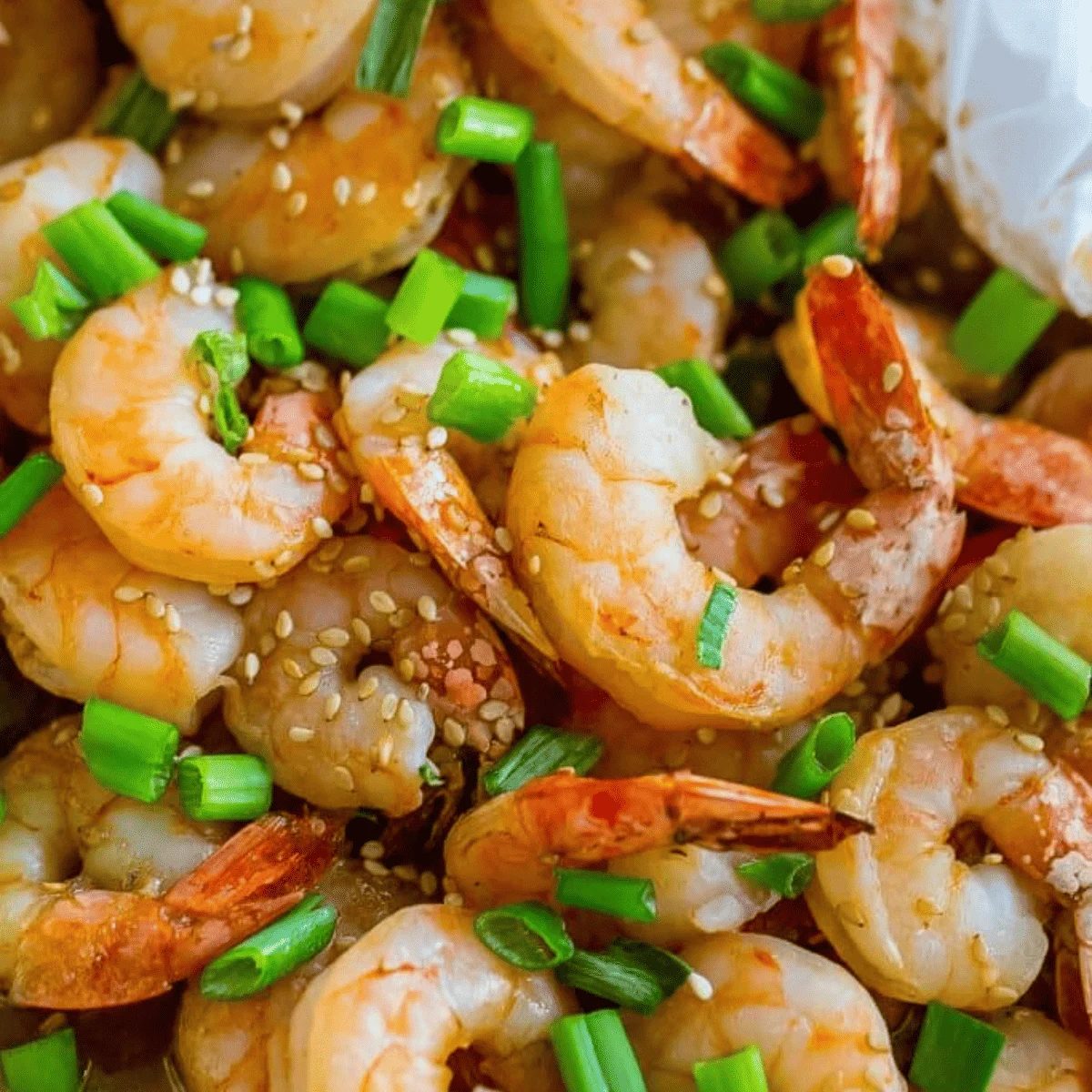
Can we use this for chicken tacos?– it works equally well on chicken, beef, pork, shrimp, or vegetables. For chicken, season before cooking and sear in a hot pan, or toss cubed chicken with the seasoning and oil before roasting.
What's the difference between this and store-bought packets?Store-bought packets typically contain anti-caking agents, maltodextrin, silicon dioxide, and sometimes artificial flavors. This blend is pure spices. You also get to control the sodium – packets typically have 300–500mg per serving; this recipe has whatever salt you add.
Can we make a low-sodium version?Yes – omit the 1 teaspoon of salt entirely and season your dish to taste at the table. All the flavor of the spices remains; you control the salt separately.
More Tex-Mex Recipes to Make with It
Slow Cooker Shredded Beef Tacos — the best use of this seasoning; low and slow until the beef pulls apart and soaks up every bit of flavor
Green Chile Burger Bowls — burger patties over seasoned rice with green chile and all the taco toppings; weeknight dinner that feels like something special
Paleo Vegan Meaty Taco Skillet — use 2 tablespoons of this blend in place of the packet for a cleaner ingredient list
Air Fryer Tofu Tacos — crispy tofu seasoned with this mix; genuinely one of the best plant-based taco fillings
Cilantro Lime Rice — the solid bowl base for tacos, burritos, and anything else this seasoning touches
Green Chile Guacamole — not seasoning-based, but the obvious companion to a taco night built around this blend
Roasted Salsa — char the tomatoes and peppers for a smoky salsa that matches the depth of the chipotle in this seasoning
Share Pin It FollowIngredients
- 2 tablespoons chili powder
- 1 tablespoon cumin
- 1 teaspoon dried oregano
- 1 teaspoon garlic powder
- 1 teaspoon onion powder
- 1 teaspoon salt
- ½ teaspoon black pepper
- ½ teaspoon ground coriander
- ½ teaspoon smoked paprika
- ¼ teaspoon chipotle chili pepper powder
Method
- In a small bowl, combine all the spices.
- Mix well until all the spices are evenly combined.
- Taste the seasoning blend and adjust the amount of cayenne pepper according to your preferred level of spiciness. Add more for extra heat or reduce for a milder flavor.
- Use the chicken taco seasoning immediately or store it in an airtight container for later use.