Israel: Slow Touring through the Land Of Milk and Honey
This trip was hosted by Visit Israel and the Israeli Tourism Ministry. All opinions are our own.
“Don't miss the point…” she said, stressing as she waved her hands, gold rings gliding through her kitchen in a home with rooms dating from times of the crusades, Ottoman rule, and as new as several hundred years old… “it's not about the food or the hotel or the tourist sites, it is about the people.”
We think about this a lot as we drive through the north of Israel towards Tel Aviv, out the windows of streets we want to walk down for no particular reason, trees and pebbles we find myself photographing because the light hit them right. Most shots won't ever progress past forgotten pixels on an archived memory card in a messy pile in a drawer in a desk we keep at our studio, but we see clearer through our camera. We don't think we're a story person. Our friends always say we have great stories, but they often don't have a point – a beginning, a middle, an end. They exist. We like the middle part. We're the person who will rewind a song 15 times in the middle to hear a line we like over and over.
In our twenties and early thirties, travel was a prize – an exclusive trophy to earn, experiences and places slowly ticking off a list, for no reason other than to say we'd been there, or to try to make myself feel something. Approaching ancient places this way is chaotic and dizzying – there is no way we can see even a fraction of some mythical checklist everyone “has to do” when visiting Israel in a mere five days and have any kind of real or lasting connection with this magical land.
Things come and go. Castles rise, and turn to rubble. Our feet swell and knees ache a bit as we take a small rest to write down some of our reflections on our tour, and our mind races thinking of all that we're missing. The bars we didn't go to last night and food we didn't eat yet. All the people we're not speaking with, that we won't be able to speak with tomorrow. We can never see it all and remind myself it's okay, and settle. While we are technically here for our job and yes, that means making sure we have tons of content, we don't enjoy working for an empty photograph, videos directing people how to have an empty vacation, a tick on an imaginary list of things that are must-see because it's where everyone goes – completely missing the beauty out of frame.
We want to take a moment to remember the feeling of absolute peace and quiet – despite being in a packed room – as we knelt at the Stone of Unction next to Golgotha, our hands pressed against it as we prayed – or the sudden burst of intense sorrow that jolted us as we neatly tucked our wish into the Western Wall, next to rows of weeping women slowly rocking in prayer, of course. We want to also remember the feeling in our van drive towards Tel Aviv, heart sinking, realizing the trip was ending soon and knowing we'd be crying saying goodbye. Not to the places, the things – but to the stories. We were technically asked to Israel to write and photograph an experience centered on food, but a few minutes outside Ben Gurion we knew there was so much more magic we wanted to explore.
When people ask us about this trek through the Holy Land, we likely won't prattle on about ancient relics and monuments. We want to talk about the goat farm in the north, tucked into the side of Mount Hillel, that makes some of the most good goat cheese we've ever tasted. They had us ride in the back of a truck to a hill that could have easily been mistaken for Sonoma County to eat cheeses wrapped in grape leaves or infused with laurel, because his sister loves laurel. How one their shepherds, Hillel, who showed us Maleficent the goat, and ate with us under a tree as we looked out at the mountain bearing his name, was in the finals of Masterchef Israel – a title he would go on to later win that week, though he would give us not even a hint of an indication to his fate as we sampled cheese. We'll want to talk about the Moroccan meal we made, and the woman who bought her home because of the view from the roof, without fully knowing if her family had the money to pay for it – knowing it would come and making it happen, by selling her jams, books of poetry, and hosting dinners like ours – part of this rise towards slow tourism in Israel. Hosts across the country, many women, but also plenty of men, welcoming tourists and other Israelis into their homes, their gardens, their patios for a drink, a meal, some fresh baked bread, and lots of fellowship.
We want to remember the defense contractor and mechanical engineer who we expect to soon be winning a Nobel Peace Prize for solar paint – and her love of entrepreneurialism, which led her to open a small chocolate shop, or as she said – “the next great International brand the world hasn't heard of yet.” The winery at a kibbutz for people with special needs, a system born from a socialist worldview – whose goal is to empower people to be able to participate in capitalism who couldn't fully otherwise, giving a normal life that is truly productive, rich, and full (and whose wine was truly exceptional.) The gluten free bakery in Tarshiha run by the woman who moved back to Israel from suburban Philadelphia whose passion is contagious… or the bakery in the beautiful garden in the Ella Valley of a former soldier who trained for some time at Fort Bliss, before he then learned to bake German and Belgian breads. The Muslim Ice Cream shop owner, whose business partner is a Jew (a rarity for equal partners), who proudly boasts that when he sees Israeli soldiers, he sees his employees. We try to swallow our tears with heaping spoonfuls of strawberry and pistachio as his story unwinds, there is little use.
The food is good – this is Israel after all. You can find food from any nationality here as Jews the world over have returned and brought with them a wide variety of traditions and culinary trends – but the conversations over the meals are far more a highlight. You can eat a good meal anywhere.
There is one place we can chat with the grandson of Polish immigrants, Holocaust survivors, whose love for spices led them to open an Organic Spice Market. We walk through the market looking at the exotic colors and taking in the seductive aromas coming from his family's spicy za'atar, or the baked potato mixture he named for his wife because it's her favorite. We took a moment to bond over our love for the magic the Poles can create from merely a potato, while sampling pinches of salts and herbs and spices. He's careful to point out the mustard we're allergic to.
Arieh gave us a quote about how Israel's lack of natural resources is made up for by the richness of its people. We didn't write it down, but its a common sentiment – our cursory search returned thousands of similar quotes from notable Israelis. It might sound cliche, or overly schmaltzy – but it's true. From the restaurant fashioned from an old British seaplane airport in Tiberius on the Sea of Galilee, where one of the managers, an Israeli-American who grew up in Philadelphia, greeted us with a hug, and left us with an even bigger hug (and a bit of a raging hangover) to the home of a Druze family in Mghar who invited us to roll grape leaves and cook a Druze meal in their home, where we chatted and laughed and sipped tea and Arabic coffee for hours – and left feeling like we were part of their family.
The marketing tagline for Israel is “Land of Creation” – which is is often interpreted as the esoteric creation of the Abrahamic religions – but it's also the land of innovation, creativity, art, and entrepreneurialism.
We had a pub crawl tour through Tel Aviv at the end of our trip, and we were struggling to find the emotional connection we found earlier in the quieter corners of Israel. Our nightlife tour guide, Dror, tells us we're missing it, and points out the street Tel Aviv sprang up from. “This is where it all started. This street is where Tel Aviv began. You know, when our mother came to Israel, her parents murdered in the holocaust, the first thing she did was kiss the ground. Israel was the beginning. This is the beginning. Right here.”
Recreate your own culinary journey, following our footsteps:
- Arieh O'Sullivan tour guide
- Shoshana's Moroccan dinner infused with cooking demonstrations and poetry at the Oldest House in Ein Karem
- Mahane Yehuda Market
- Ella Valley Winery
- Bready's Bakery
- Agro Cafe Coffee
- Srigim Brewery
- Beit Lechem Haglilit (The Spice Way) Herb and Spice Farm
- Druse culinary visit with Galileat (our tour guide Orrin, an Australian-Israeli, met us for this experience, he was fabulous and is licensed for other tours around Israel)
- Ein Kamonim Goat Farm
- Kishor Winery – on the Kishorit Kibbutz
- Malka Brewery
- Tupolo Gluten-Free Bakery and Cafe
- Buza Ice Cream
- Deks RestaurantTiberius
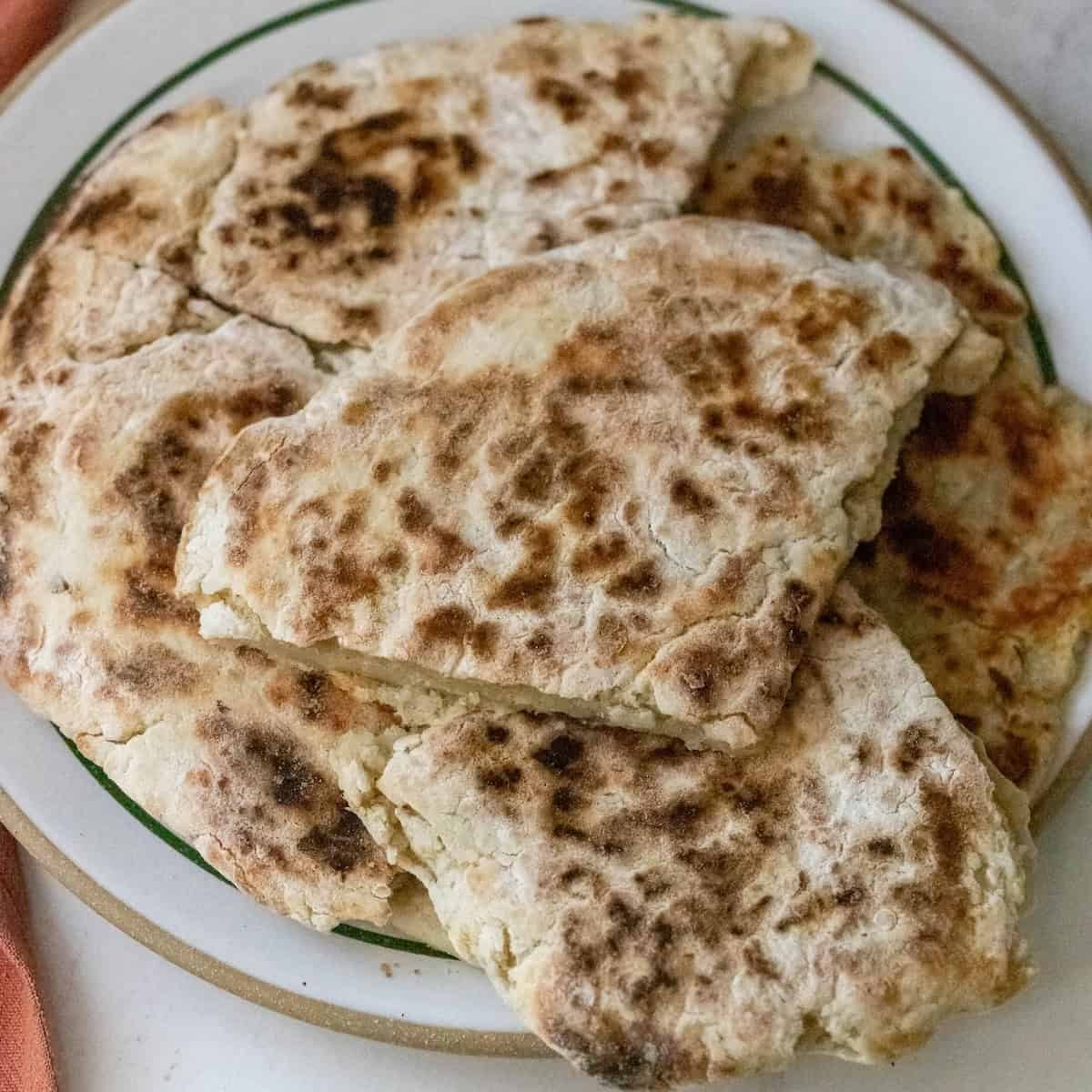
- Yemenite bread (Halul) Safed
- Asalalnor Bee keeping
- Odette Chocolate
- Dror's Tel Aviv Nighlife tours
For more from our trip, and recipes inspired by Israel, please check out the following: