Skillet Irish Potato Bread
- Makes 8
- Prep 10 minutes
- Cook 10 minutes
- Total 20 minutes
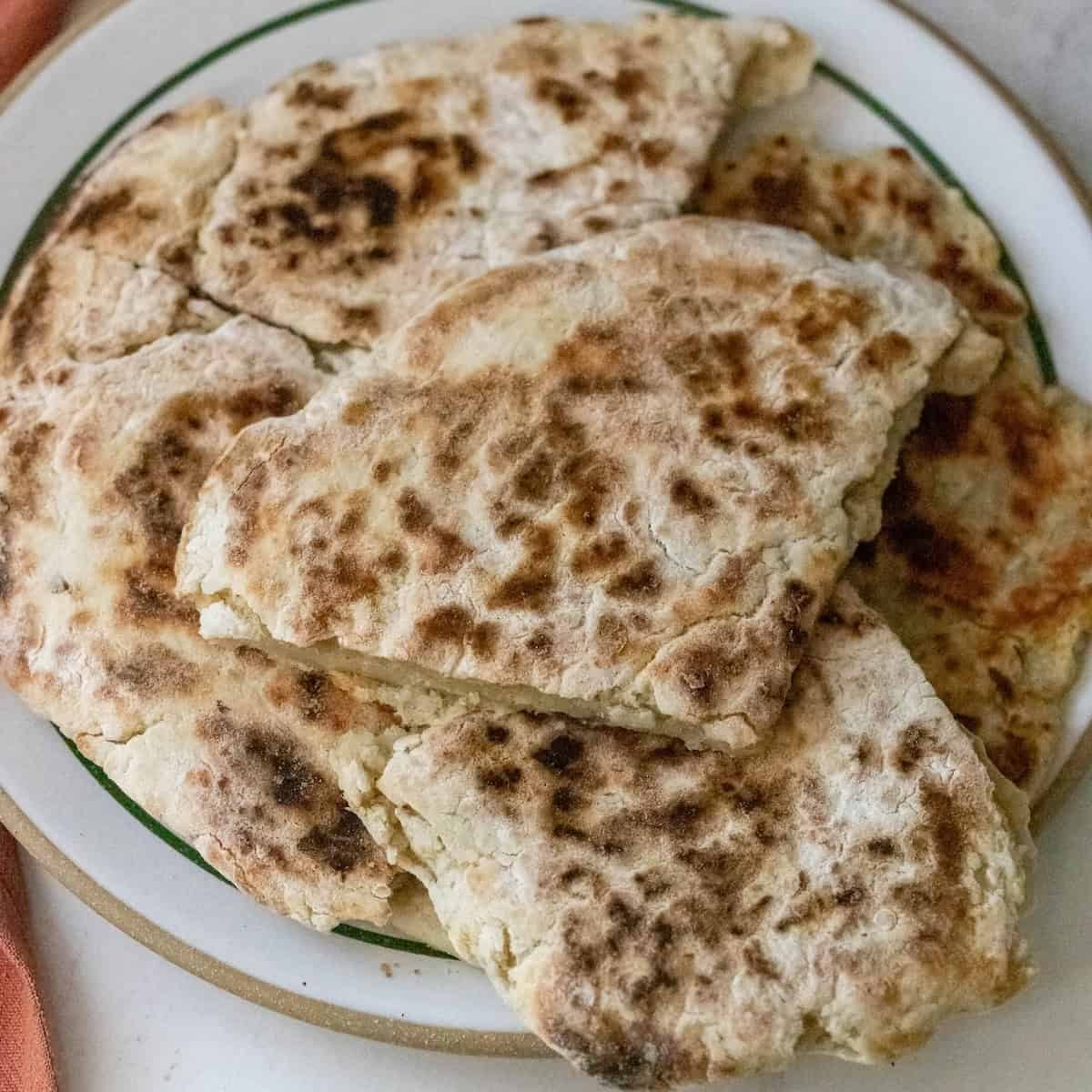
Irish Skillet Potato Bread (farls) is one of those recipes that instantly takes us back to Ireland. We learned how to make it right in Irelandand now every time we visit, it's the breakfast we look forward to most! Potato bread is warm, hearty, and begging for a smear of butter (or a spoonful of jam) while glugging down coffee or tea.
Our easy Farls recipe brings that same cozy, rustic comfort home: soft and tender from the potato, golden and crisp around the edges from the skillet, and simple in the best way. It's the kind of bread that feels special without being fussy, and once you make it, you'll understand why it's one of the Irish recipes we crave again and again – it's solid if you're making Saint Patricks Day themed recipes!
We like our potato bread a little thicker, and with a little bit of extra browning on the outside, for a bit of extra crunch – it's a lovely contrast between textures and makes for a hearty breakfast or side dish. Our kids like to melt cheese over this bread or load it up with sour cream!
At Avdaye, we add lots of tips in all of our recipes – because we are a home cook without any formal training, and we find we are more confident making dishes when we understand why it works, and what each ingredient means to the flavor of a recipe. Our goal is for even the most beginner home cook to feel empowered in the kitchen.
How To Make Skillet Irish Potato Bread
We learned to make this bread when touring Belfast, in a bread-making class for Traditional Irish Breads. It was gorgeous – and one of our favorite tours in Ireland!
Our Pro Tip
Why is it Called Farl?
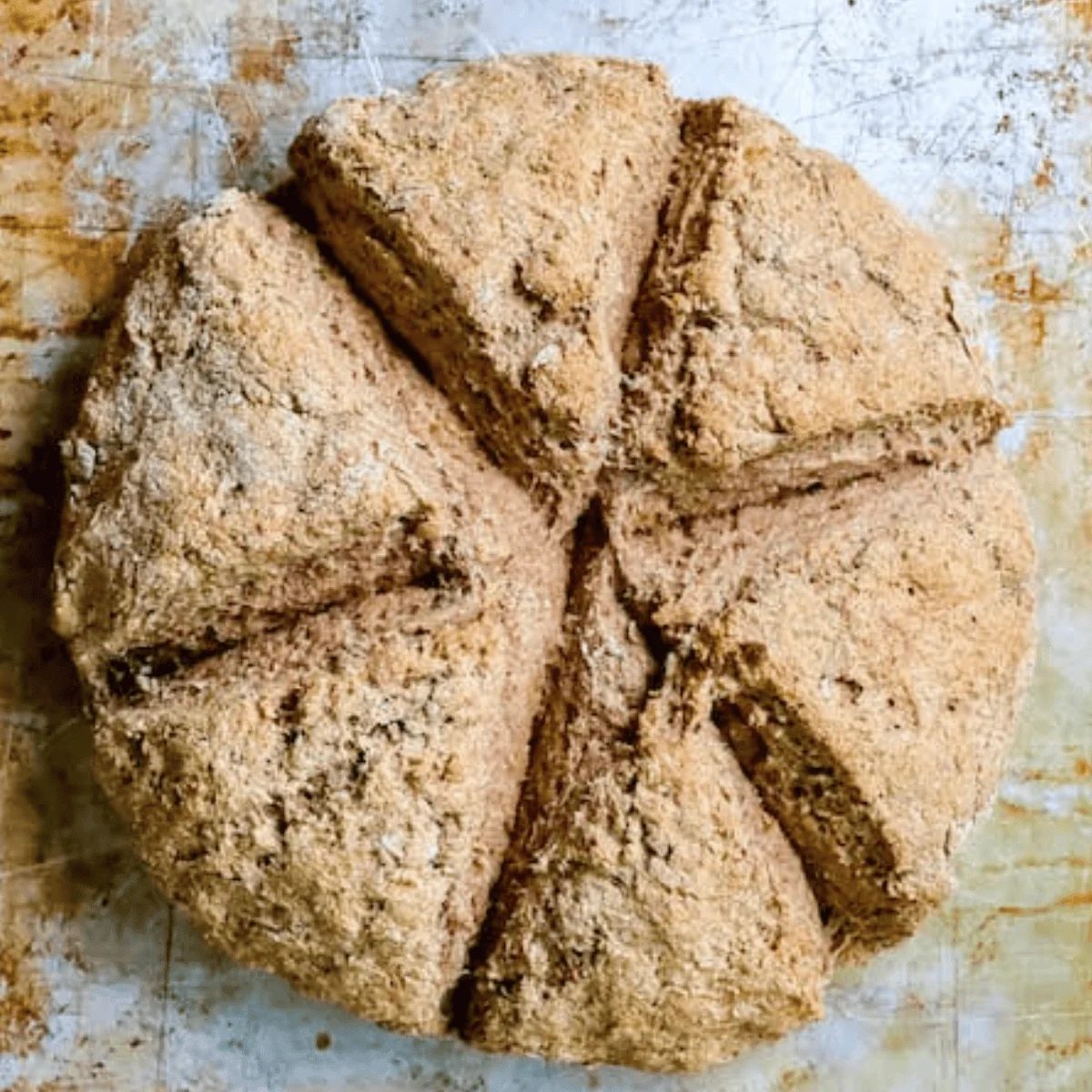
The word farl is from the Gaelic word fardel. It means four parts. So, an Irish Potato Farl is basically a potato disc cut into four wedges!
This skillet potato bread is soft, tender, and lightly crisp on the outside thanks to baking in a hot skillet. The potato keeps it moist and flavorful, making it the solid homemade bread for soups, sandwiches, and dinner.
What You Need for Homemade Potato Bread
Crispy on the outside and moist and fluffy on the inside, this Irish potato bread is suited to a tasty St. Patrick's Day breakfast. Here's what you need to get started:
- Mashed potatoes– You can use leftover mashed potatoes, make them from scratch, or whip up some instant potatoes for this recipe.
- Butter– Melt your butter in the microwave in 30-second increments until it's fully melted.
- An egg– Eggs tend to work better at room temperature. Pull your egg out and let it sit on the counter for about 15-minutes.
- Flour– You will need all purpose flour for this recipe.
- Baking Soda – this is a soda farl recipe, we will be using baking soda for extra lift.
- Celtic sea salt Celtic sea salt provides a higher amount of minerals and elements with a lower amount of sodium chloride.
- Garlic powder This is totally optional, but does add a good flavor to your Irish cakes.
- Pepper– We use fresh cracked pepper. Again, this is optional, but adds a nice savory flavor.
Step-by-Step Potato Bread
The great thing about this recipe is that you probably have all the ingredients at your disposal. Get ready to make a unique breakfast!
Mix Dough
First, you will mix the potatoes, melted butter, egg, salt, and ½ cup of flour together in a large bowl. Mix until soft and lump free.
Make Into a Ball, then a Disc
If it is not quite a dough, keep adding small amounts of flour to the dough until it is firm and holds its shape.
Cut Disc Into Wedges
Cut the disc into four wedges.
Cook
After the pan heats up, add the dough wedges to the skillet.
Serve & Enjoy!
When the bread is golden brown on both sides, it's done. Serve hot with butter, sour cream, or jam.
Skillet Potato Bread Tips & Tricks
Use mashed potato (not chunky). Smooth potato blends into the dough for the softest texture.
Don't add too much flour. Potato dough can feel slightly tacky- too much flour makes bread dense.
Warm skillet = better crust. A preheated skillet helps create a golden bottom and rustic edges.
Let it rise fully. A good rise is key for fluffy bread.
Cool before slicing. Cutting too early releases steam and can make the crumb gummy.
Don't pack the flour. You may be tempted to scoop and pack the flour with your measuring cup, but that will result in dry bread. Scoop it with a spoon into the measuring cup, and then level it off with a butter knife, so you don't use too much.
Do not overwork the dough. You want it to be firm, hold its shape, and not sticky. Once it reaches this point, do not continue to work on it.
Use a wooden spoon to help flip bread. We find this or a rubber spatula works best.
Cook the farls in butter. We prefer salted butter, the Irish kind of course! Oil will make your farls soggy so avoid that.
Share Pin It FollowSkillet Potato Bread FAQs
What temperature do we cook Irish bread at?You will cook the Irish potato bread in a skillet. Keep the temperature at medium high heat, but turn it down to medium if it is cooking the outside too quickly.
Is a potato scone the same thing as a farl?Potato scones or Tattie scones come from Scotland. Potato farls or potato bread come from Ireland. However, they both use leftover mashed potatoes and are essentially the same thing.
Do we have to use a Cast iron skillet?Cast iron is ideal, but any oven-safe skillet will work.
Can we use leftover mashed potatoes?Yes- avoid heavily seasoned potatoes (garlic, lots of butter) unless that's the flavor you want.
Can we freeze potato skillet bread?Yes. Wrap tightly and freeze up to 3 months. Thaw at room temp.
Why is our potato bread dense?Most often: too much flour, not enough rise time, or old yeast.
Why use potato in bread?Potato adds moisture and helps bread stay softer for longer, with a tender crumb.
Ingredients
- 4 cups potatoes, mashed
- 3 tbsp melted butter
- 1 egg
- 1 cup to 1 1/2 cups all-purpose flour
- 1 teaspoon baking soda
- 1 tsp salt, celtic sea
- 2 tsp garlic powder – optional, if savory
- ½ tsp pepper, fresh cracked – optional, if savory
Method
- In a large bowl, mix potatoes, melted butter, egg, soda, salt, and ½ cup flour. Mix until soft and lump-free, and a dough forms, do not overwork. Keep adding more flour to dough until dough is firm and holds a shape and is not sticky to the touch – but not so much flour it crumbles apart. This will depend a lot on your potatoes, humidity in the air, etc – so you will have to add more flour and go based off feel instead of giving a precise measurement.
- Sprinkle a little flour out on a table and add dough to table. Work into large circle and shape into a disc. You will have enough for two to three discs – depending on how thick you'd like them. We like them thick so they are a bit like mashed potatoes in the middle still, but it's more traditional to make them thinner.
- Cut disc into four wedges.
- Heat a nonstick frying pan or well seasoned cast iron skillet on the stove over medium high heat.
- When the pan is hot, add dough wedges to pan.
- Let bread cook and brown on each side, about 5 minutes per side. Rotate bread and flip onto each side, so it is browned on all edges. We prefer a darker browning for a bit of crunch, but a light toasting is traditional – how browned you like your bread is up to you. Use a wooden spoon to help flip bread.
- When bread has browned on all sides, it is done.
- Serve hot with butter, sour cream, or jam, depending on if you made it savory or sweet.