Sheet Pan Lemon Garlic Salmon and Asparagus Dinner
- Makes 4
- Prep 5 minutes
- Cook 15 minutes
- Total 20 minutes
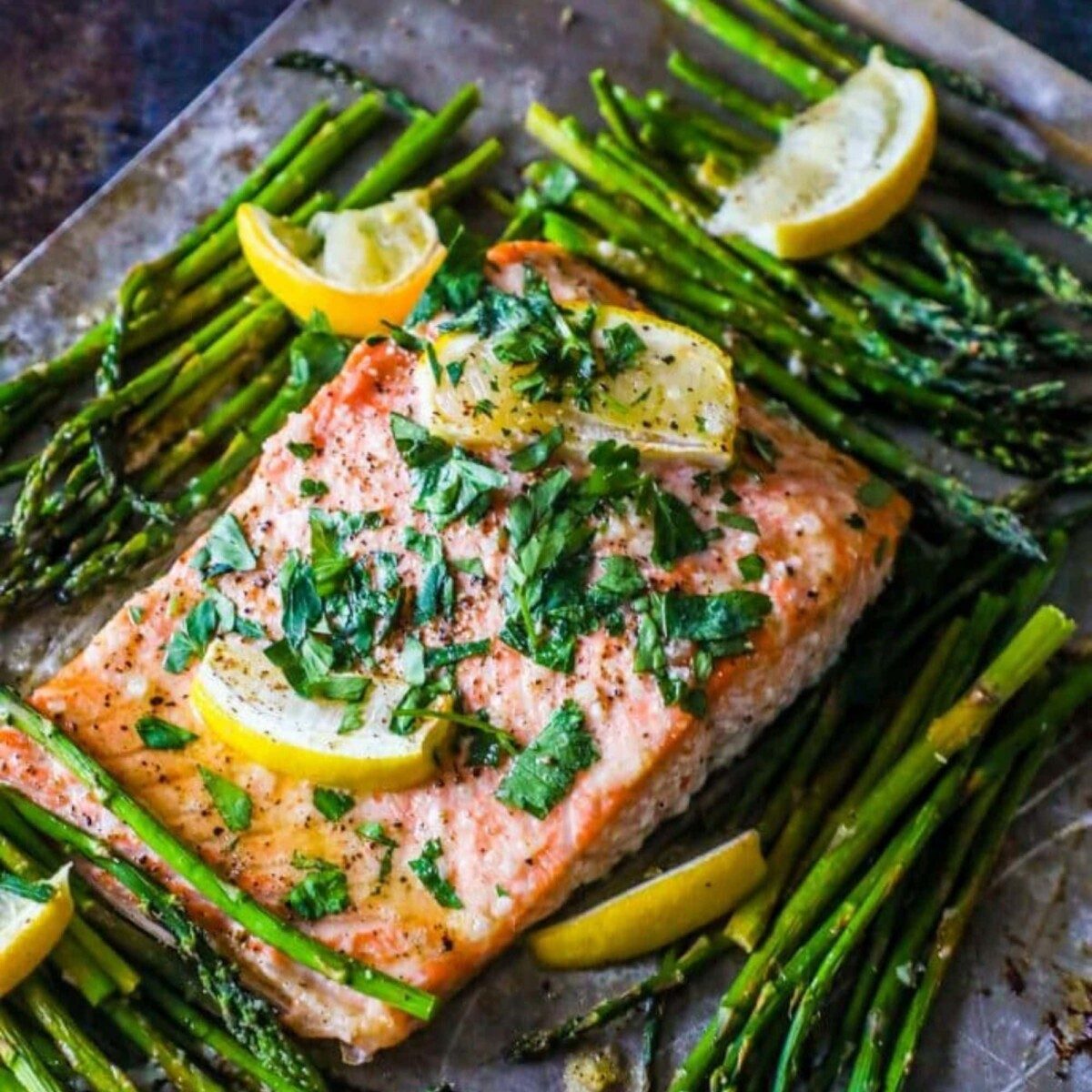
When we're craving a healthy, good dinner and don't want to make a ton of fuss, we always reach for our Sheet Pan Lemon Garlic Salmon and Asparagus recipe. This One Pan Salmon Dinner is a light, good, and easy dish bursting with lemon and garlic flavor – and it is simple to prepare, in under 25 minutes!
At Avdaye, we add lots of tips in all of our recipes – because we are a home cook without any formal training, and we find we are more confident making dishes when we understand why it works, and what each ingredient means to the flavor of a recipe. Our goal is for even the most beginner home cook to feel empowered in the kitchen.
How to Make Sheet pan Salmon and Asparagus
If you're looking for a good, easy, and incredibly flavorful meal your family won't complain about, this simple, good dinner is for you.
We're cooking a light, good salmon and fresh, flavorful asparagus on one baking sheet – reducing cleanup time, so you can get straight to dinner and out of the kitchen away from chores!
Baked Salmon and Asparagus Dinner Ingredients
- 1 bunch asparagus, woody ends trimmed off – Adds a fresh, earthy crunch and roasts beautifully alongside the salmon. Trimming the ends removes the tough, fibrous parts for a more pleasant bite.
- Salmon filet (½ lb – 1 lb) – The main protein source; rich, buttery, and full of healthy omega-3s. Roasts quickly and pairs naturally with citrus and herbs.
- 1 large lemon, sliced into rounds or wedges – Infuses the salmon and asparagus with bright, citrusy aroma as it roasts. Lemon rounds also caramelize slightly in the oven, adding visual and flavor appeal.
- 2 tbsp garlic paste or fresh minced garlic – Provides bold, savory depth and aroma. Garlic enhances the umami of the salmon and brings out the earthiness of the asparagus.
- 3 tbsp lemon juice – Adds tang and acidity to balance the richness of the salmon and brings freshness to the overall flavor profile.
- 3 tbsp olive oil – Helps the salmon and asparagus roast evenly without drying out. It adds richness and helps carry the garlic and lemon flavors.
- 2 tsp sea salt – Enhances and balances all the flavors. It also helps draw moisture to the surface for a lightly crisp texture when roasting.
- 2 tbsp fresh cracked pepper – Adds a sharp, slightly spicy kick that contrasts the citrus and complements the salmon's richness and asparagus' bitterness.
Salmon and Asparagus Sheetpan Dinner Instructions
Once you've gathered your ingredients, we will use the following method:
Prep
Preheat oven to 350, trim woody ends off asparagus, gather ingredients, and place salmon on foil-lined baking sheet.
Season Salmon
Season generously with salt and pepper.
Title goes here
Drizzle in olive oil and add herbs and garlic.
Add Asparagus
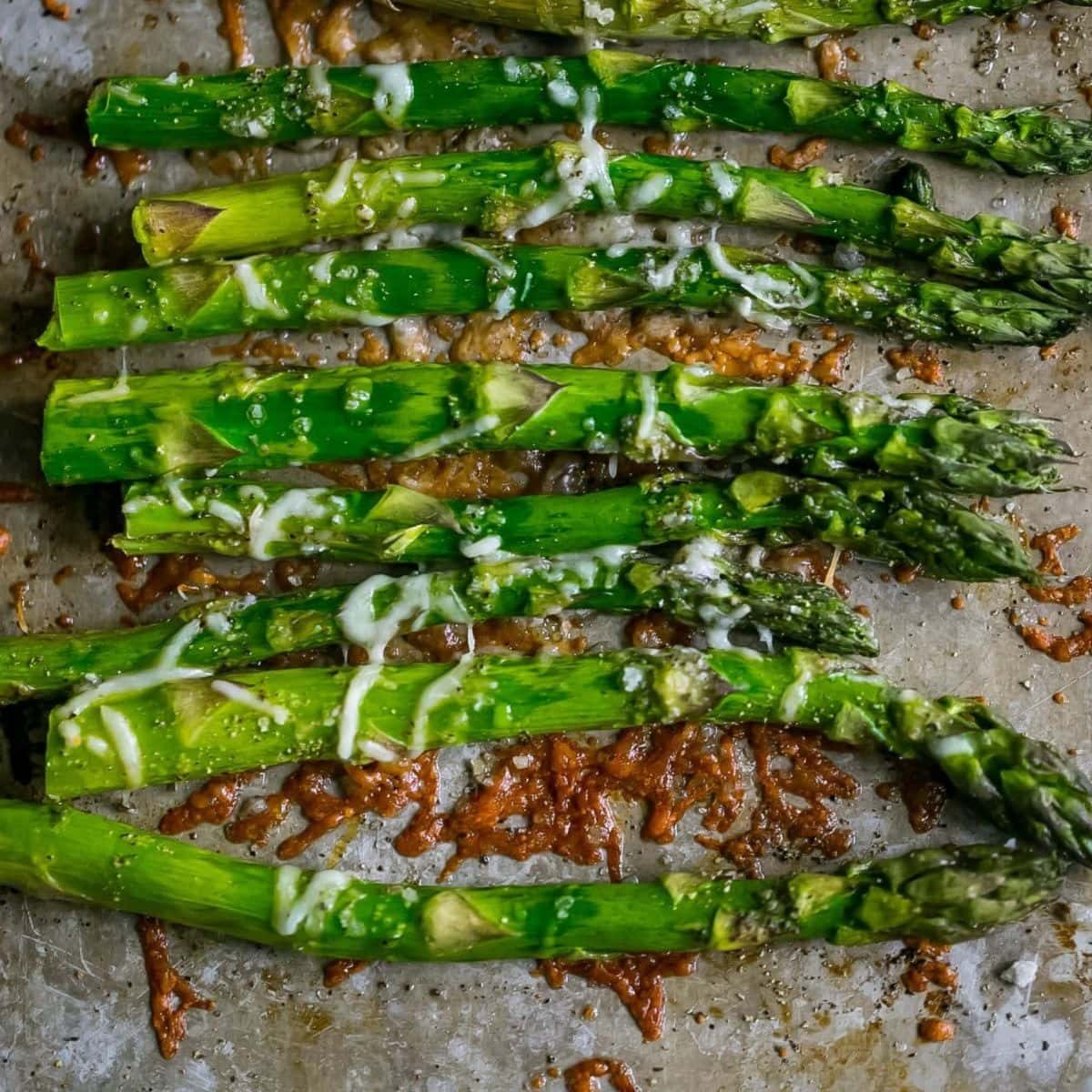
Add asparagus, season and drizzle in oil.
Bake
Bake until the salmon is flaky and the asparagus is browned and softened.
Kitchen notes
Use Evenly-Sized Salmon Portions: Choose salmon fillets that are similar in size and thickness so they cook evenly. Pat the salmon dry before seasoning to help develop a flavorful crust.
Timing is Key: Salmon typically cooks in 12–15 minutes at 400°F (200°C), depending on thickness. Asparagus roasts in 10–15 minutes—so if it's thin, add it a few minutes after the salmon to avoid overcooking.
Don't Skip the Acid: Lemon juice or wedges help balance the richness of the salmon and add brightness. Roasting lemon slices alongside the fish enhances flavor with a light caramelization.
Layer the Flavor: A garlic-lemon-olive oil mixture works well as a quick marinade or finishing drizzle. Fresh minced garlic adds savory depth, while garlic paste sticks better and spreads more evenly.
Season Generously: Don't skimp on salt and freshly cracked pepper. You can also add herbs and spices like paprika, thyme, dill, or red pepper flakes for extra flavor.
Use Parchment or Foil for Easy Cleanup: Lining your sheet pan prevents sticking and makes cleanup easier. If you prefer crispier edges, lightly oil the pan and skip the parchment.
Broil at the End (Optional): If you want a bit of char or crispiness, broil for the last 1–2 minutes—but keep a close eye to prevent burning.
Rest Before Serving: Let the salmon rest for 2–3 minutes after it comes out of the oven. This allows the juices to settle and keeps the fish tender.
How To Tell When Baked Salmon Is Done
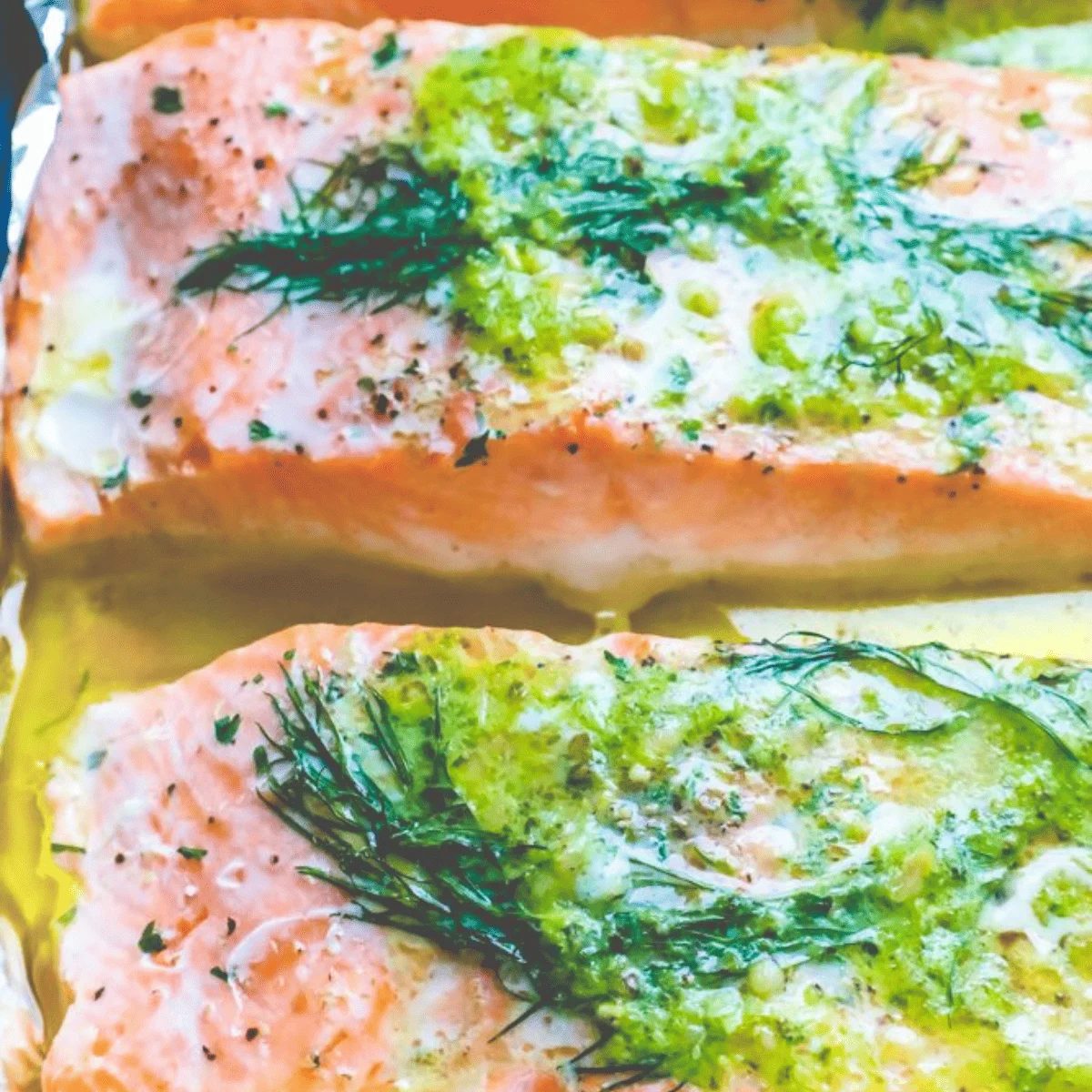
If the salmon meat is beginning to flake, but still has a little translucency in the middle of the deepest part of the filet, your salmon is done. It shouldn't look red and raw though, and it should be hot to the touch, not cold.
Once you cook salmon more and more, you'll know how done it is by the look of the salmon and won't need to check the middle.
The easiest way to avoid overcooking salmon is to watch for when your salmon turns pinkish-white – but remove before the white dots begin to appear.
Which Salmon To Use For This Recipe
While any type of salmon would work for this recipe, we recommend Sockeye salmon or Coho salmon filets – sockeye and coho have a good flavor and are a little less expensive than a Chinook salmon. Since this salmon does use a sauce with a strong flavor, you can get away with a less expensive filet – sockeye or coho salmon will be fabulous.
If choosing a coho salmon filet, you might want to reduce cook-time slightly as they tend to be smaller and thinner filets that cook a bit faster than Chinook or Sockeye salmon filets. Watch to see how your salmon cooks and pull from the oven when it turns opaque and pinkish-white, rather than going off a cook time.
Recipe FAQs
When is salmon done cooking?Salmon is done cooking at 125-130 degrees, when the meat has become lighter pink and opaque and is no longer translucent.
How dO we store leftoVers?Salmon and asparagus can be stored in an airtight container in the refrigerator for up to three days.
Do we need to Trim asparagus?Yes. Snap or cut off the woody bottom ends of the asparagus (usually 1–2 inches) to avoid tough, fibrous bites.
Can we add other vegetables?Yes. Try cherry tomatoes, baby potatoes (parboil first), bell peppers, or red onion slices. Choose veggies that cook in about 15 minutes, or adjust their time accordingly.
How do we know when salmon is done?Salmon is done when it flakes easily with a fork and reaches an internal temperature of 125–130°F for medium. Overcooked salmon becomes dry, so watch closely in the final minutes.
You can find our entire salmon recipe archives here.
Serve it with
We love serving this dinner with soft butter dinner rollswhole roasted onionscauliflower riceair fried broccoligarlic roasted potatoesand no knead bread – but have tons of good, easy, and family pleasing side dishes.
Of course if you're looking for a heartier dinner option to add to round out a meal, try some of our favorite main dishes like our knockout pork tenderloinair fryer chicken drumsticksthai chili scallopsbaked lemon garlic chicken breastsor even a juicy prime rib!
You can find our complete side dish recipe archives here.
Share Pin It FollowIngredients
- 1 bunch asparagus, woody ends trimmed off
- Salmon filet, 1/2 lb – 1 lb
- 1 large lemon, sliced into rounds or wedges
- 2 tbsp garlic paste or fresh minced garlic
- 3 tbsp lemon juice
- 3 tbsp olive oil
- 2 tsp sea salt
- 2 tbsp fresh cracked pepper
Method
- Preheat oven to 350 degrees.
- Add salmon and asparagus to sheetpan, spreading out so nothing is too crowded.
- In a small bowl, combine oil, lemon juice, and garlic and mix well.
- Drizzle oil, lemon juice, and garlic mixture over salmon and asparagus.
- Layer lemon on top.
- Season well with salt and pepper.
- Bake 15-20 minutes, until salmon is opaque and asparagus is soft.
- Serve immediately, either on its own, or alongside roasted potatoes, rice, or a nice salad.