Lobster Risotto
- Prep 15 minutes
- Cook 35 minutes
- Total 50 minutes
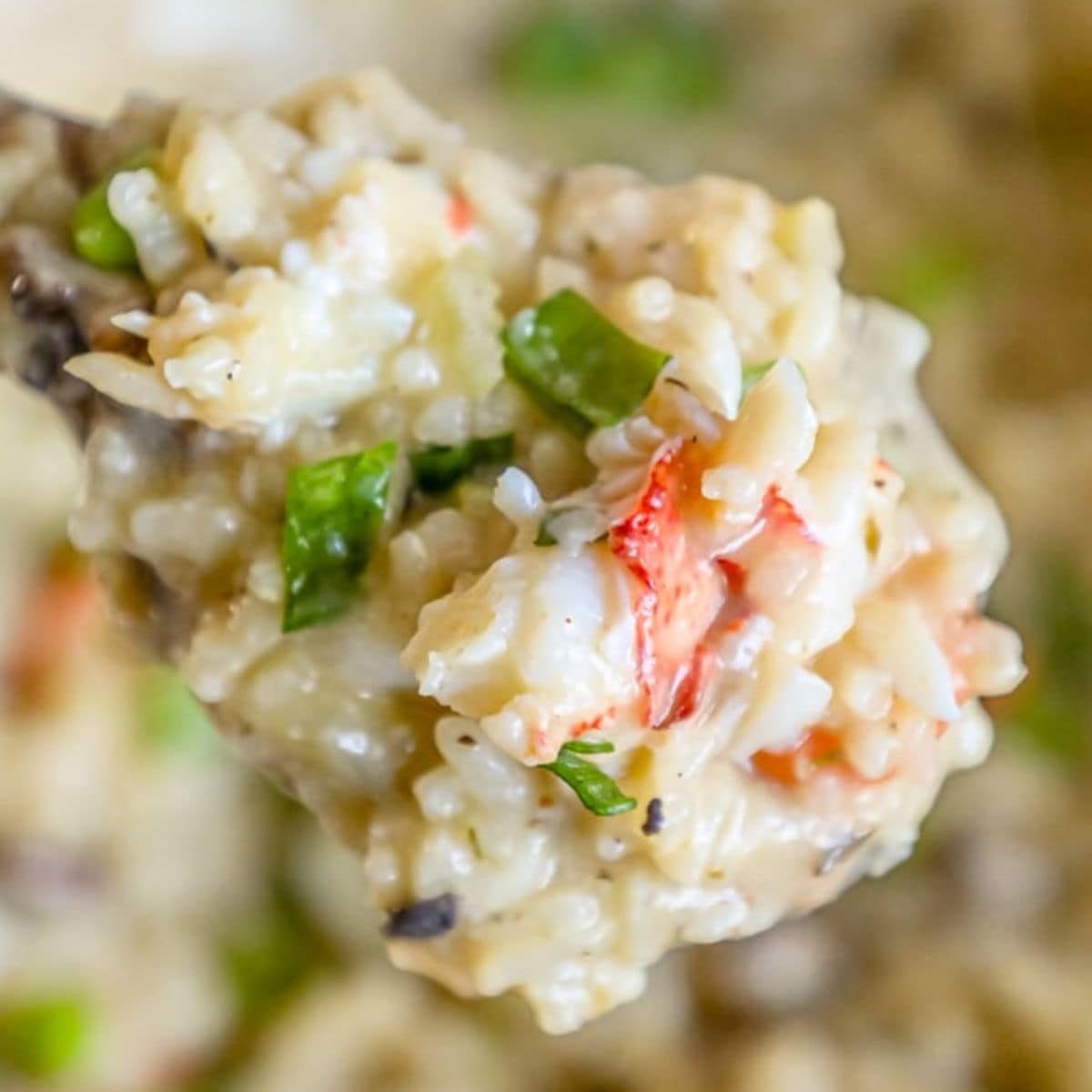
Our easy Lobster Risotto is a simple, good, and creamy seafood dinner in one pot! Lobster risotto is one of our all time favorite dishes – it is creamy, rich, and good – and so much easier to make than most people think. Risotto is a great one pot dinner, and even though it has a luxuriously creamy texture, there is no cream in the dish!
While this recipe calls for parmesan cheese, you can nix it for a dairy free dish that tastes and feels creamy – thanks to tons of stirring action! There is a bit of a process to make solid risotto, so we strongly suggest reading through some of our tips if you haven't ever made it before – anyone can handle this recipe (it is great for beginner cooks, as there are no advanced techniques), but you will need to stir this dish a lot and follow the process. We hope you love this easy one pot lobster risotto as much as we do!
At Avdaye, we add lots of tips in all of our recipes – because we are a home cook without any formal training, and we find we are more confident making dishes when we understand why it works, and what each ingredient means to the flavor of a recipe. Our goal is for even the most beginner home cook to feel empowered in the kitchen.
How to Make the Best Easy Lobster Risotto
The trick to a good risotto is patience and lots of stirring. You need to follow the directions carefully and add the hot stock one ladel full at a time to get the solid texture for your arborio rice.
Lobster Risotto Ingredients
- 1 tbsp Olive Oil – Adds a base for sautéing the vegetables and imparts a subtle richness to the dish without overpowering the other flavors.
- 1 Large Onion, Diced – Adds sweetness and depth, forming the aromatic base that enhances the overall flavor of the risotto.
- 8 oz Cremini Mushrooms, Cleaned and Diced – Contributes an earthy, umami flavor, complementing the lobster and adding richness to the risotto.
- 2 Shallots, Diced – Provides a delicate, slightly sweet onion flavor that blends well with the other aromatics and adds a layer of complexity.
- 2 ½ Cups Arborio Rice – The star grain of risotto, Arborio rice has a high starch content that creates the creamy consistency characteristic of risotto.
- 28 oz Chicken Stock (Lower Sodium is Best) – Used to cook the rice, the stock adds savory depth, ensuring the risotto is full of flavor without being too salty.
- 3 tbsp Butter – Adds creaminess and a rich, velvety texture to the risotto, enhancing its luxurious mouthfeel.
- ¼ Cup Green Onions, Diced – Adds a fresh, mild onion flavor and a pop of color, balancing the richness of the risotto.
- Dry Vermouth (Optional – ½ Cup) – Adds a hint of acidity and subtle herbal notes that brighten the dish and complement the seafood flavors.
- 1 Cup Water – Helps regulate the consistency of the risotto without adding extra sodium, ensuring a creamy but not overly salty dish.
- Salt and Pepper to Taste – Enhances all the flavors, bringing out the best in each ingredient and adding balance.
- Parmesan Cheese (Optional) – Adds a salty, nutty flavor and contributes additional creaminess, making the risotto even more rich and flavorful.
- 1 lb Lobster Meat (Tail or Claw, Cooked or Uncooked) – The star protein of the dish, lobster meat adds sweetness, tenderness, and a delicate seafood flavor that makes the risotto indulgent and luxurious.
Our Pro Tip
What Lobster To Use In Lobster Risotto
For this recipe, we use pre-cooked lobster meat that we get in our local grocery store – but any cooked lobster meat works, including lobster tails. You can also used picked raw lobster meat – dice into 1″ chunks and toss into risotto about 5 minutes before it is done cooking. Cook until bright red and opaque instead of transparent and grey, and risotto is perfectly creamy.
Steps to Make Lobster Risotto
Brown vegetables. Heat a large pan or ceramic dutch oven over high heat. Add olive oil. When oil is shimmery, add diced onions, mushrooms, and shallots. When onions are slightly browned, add butter and stir.
Toast rice. Lower heat to medium-low, add rice, stir well. Let rice brown slightly (think “toasted” for a little flavor)
Stir in a bit of stock. Add a little bit of stock and vermouth (optional!!)- enough to keep the consistency liquid. Stir frequently until rice thickens.
Add stock, stir. Add a little more stock until it is barely liquid at the bottom of the pot. Repeat stirring frequently until thickened and adding enough stock to keep it from burning or becoming too thick. When your stock is gone, and the risotto has become thicker, taste a bit of it.
Get the right consistency. If the rice is too crunchy for your taste, add a little water and proceed with the steps above. Risotto should be slightly al dente- a slight, teeny crunch when bit. If you overcook the rice, it will become a bit gummy- but it's all individual tastes.
Add lobster & garnish. Add lobster meat- if cooked, add at the end to warm it up- if uncooked- give it about 5 minutes to cook thoroughly, until red and opaque white. You don't want it overcooked or it will be gummy and fishy. Add diced green onions before your risotto is done cooking- you won't want them to overcook.
Enjoy! When risotto is thick enough to not spread all over a plate, but not so thick you can shape it like mashed potatoes, it is ready. Serve when warm. Grate fresh parmesan cheese over the top and serve.
Lobster Risotto Tips and Tricks
Stir. The top tip to getting solid smooth and creamy risotto is to stir – and stir some more. Realistically, expect to be stirring your risotto basically nonstop for 30 minutes. While that sounds a bit daunting, you don't need to put muscle into it – you won't be worn out after making this dish – but you do need to keep it moving around the pot.
Keep Stock Close. To speed up your risotto, keep the stock you'll be adding to the mixture in another pan on the stove, under boiling.
Warm Stock. Adding cold stock to each addition slows cooking time down a bit- so keeping some warmed on the stove will shave 10 minutes or so off your cooking time- and it's not much more of a mess.
One Pot Option. If you set the stock out on a warm countertop though (or your kitchen is warm) you can easily make this into a one-pot meal by not heating your stock.
don't add COLD stock, whatever you do! It will make this recipe take forever!
How to Store Lobster Risotto. After cooking lobster risotto, refrigerate leftovers immediately. Leftovers can be stored in an airtight container in the refrigerator for up to four days, or frozen for up to four months.
How to Reheat Risotto Lobster. To reheat (if frozen, let thaw fully in the refrigerator overnight), heat 2 tbsp butter in a large nonstick pot, and add risotto. Stir in 1/4 cup stock and cook on medium high heat until piping hot and creamy, about 8 minutes.
Serve it with
Since risotto is a fairly thick and hearty dish, it is beautiful with lighter vegetable sides.
Click through some of our top picks for foods to serve with lobster risotto below:
Share Pin It FollowLobster Mushroom Risotto FAQs
Is There Cream In Risotto?The one thing you need to do to get creamy risotto is stir – because there is no cream in this risotto recipe!
The creamy texture most people love from risotto has nothing to do with actual cream (though some risotto recipes do include cream for extra rich flavor) – it comes from the starch that arborrio rice gives off when stirred frequently while cooking.
If you've ever made rice pilaf and stirred it a bit too much and it got gummy, it is the exact same process- except in this case we're trying to get that thick, rich, and creamy texture on purpose.
Chardonnay: Look for a lightly oaked or unoaked Chardonnay with good acidity. A Burgundy-style Chardonnay is a great choice, as it pairs well with the creaminess of the risotto without overpowering the lobster's sweetness. California Chardonnays, particularly those with balanced oak, are also excellent companions.
Chablis: Chablis, a type of Chardonnay from northern Burgundy, is crisp, mineral-driven, and has bright acidity, which cuts through the richness of the risotto while enhancing the delicate flavors of the lobster.
Sauvignon Blanc: A Sauvignon Blanc with citrus and herbal notes works well with lobster risotto, providing a fresh contrast to the dish's creamy texture. A Sancerre from France or a New Zealand Sauvignon Blanc will offer the acidity needed to balance the richness. Sauvignon Blanc is honestly our pick for almost any dish.
Pinot Grigio: Pinot Grigio, especially from Italy, is light and crisp, with enough acidity to lift the flavors of the lobster and risotto. Its bright, refreshing qualities make it an easy and approachable pairing.
Vermentino: Vermentino from Italy or Corsica is another great choice, offering citrus, floral, and herbal notes that enhance the seafood flavors. It has enough acidity and complexity to balance the creamy risotto and highlight the lobster.
Viognier: For a slightly different experience, Viognier provides floral and stone fruit notes, and a slightly richer mouthfeel that complements the lobster's sweetness. make sure it's not overly oaked, so the flavors remain balanced.
Champagne or Sparkling Wine: Champagne or a good quality sparkling wine is a fantastic match with lobster risotto, as the bubbles cut through the richness and bring a sense of celebration to the dish. A Brut Champagne or other dry sparkling wine works particularly well.
Ingredients
- 1 tbsp olive oil
- 1 large onion, diced
- 8 oz cremini mushrooms, cleaned and diced
- 2 shallots, diced
- 2 ½ cups arborio rice
- 28 oz boxes chicken stock, lower sodium is best
- 3 tbsp butter
- ¼ cup green onions, diced
- dry vermouth, optional- 1/2 cup
- 1 cup water
- salt and pepper to taste
- Parmesan Cheese, optional
- 1 lb lobster meat – tail or claw, cooked or uncooked
Method
- Heat a large pan or ceramic dutch oven over high heat.
- Add olive oil.
- When oil is shimmery, add diced onions, mushrooms, and shallots.
- When onions are slightly browned, add butter and stir.
- Lower heat to medium-low, add rice, stir well.
- Let rice brown slightly (think "toasted" for a little flavor)
- Add a little bit of stock and vermouth (optional!!)- enough to keep the consistency liquid.
- Stir frequently until rice thickens.
- Add a little more stock until it is barely liquid at the bottom of the pot.
- Repeat stirring frequently until thickened and adding enough stock to keep it from burning or becoming too thick.
- When your stock is gone, and the risotto has become thicker, taste a bit of it.
- If the rice is too crunchy for your taste, add a little water and proceed with the steps above.
- Risotto should be slightly al dente- a slight, teeny crunch when bit. If you over cook the rice, it will become a bit gummy- but its all individual tastes.
- Add lobster meat- if cooked, add at the end to warm it up- if uncooked- give it about 5 minutes to cook thoroughly, until red and opaque white. You don't want it overcooked or it will be gummy and fishy.
- Add diced green onions before your risotto is done cooking- you won't want them to overcook.
- When risotto is thick enough to not spread all over a plate, but not so thick you can shape it like mashed potatoes, it is ready.
- Serve when warm.
- Grate fresh parmesan cheese over the top and enjoy!